Groundhogs
Identification
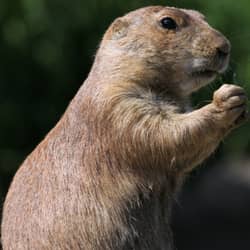
How to identify Groundhogs
Groundhogs, also called woodchucks and whistle-pigs, like to graze and sun themselves in yards, fields, and meadows, and dig burrows in prairies, open forests, meadows, and pastures. However, they will gather in suburban neighbourhoods if food is plentiful. They feed on grasses, clover, alfalfa, dandelions, snails, grasshoppers, grubs, berries, apples, lettuce, corn, carrots, and hackberry, mulberry, and maple leaves.
Signs of an infestation
A surefire way to know if you have a groundhog problem is by looking for signs of digging. Burrow holes and piles of dirt can indicate that a groundhog has taken up residence on your property. Destroyed crops and damage to ornamental plants from clawing and scent marking can also point to a groundhog infestation.
Groundhogs Removal
Contacting a trained, licensed wildlife and pest control specialist from Orkin Canada is the best way to ensure that groundhogs are completely removed from the premises. Property owners attempting to trap groundhogs on their own face numerous challenges, including improper trap placement and the risk of being bitten, clawed, or scratched. Our wildlife and pest control professionals can take care of groundhog removal humanely and devise effective plans of action to keep them from returning.
How to prevent Groundhogs from invading
Erect a protective fence that extends underground, Remove easy sources of food, Install high frequency sound repellents.
Habitat, Diet, and Life Cycle
Habitat
Grazing habits, the availability of food, and seasonal changes all influence groundhogs in their quest to find a perfect denning spot. Summer burrows are often constructed near the middle of the home territory, while winter burrows are dug deep enough to stay below frost levels and are usually located near protective cover. Prairies, open forests, meadows, and pastures are all ideal sites. Contrary to other species of pest animals, the building of roads, clearing of forests, and planting of fields have actually helped groundhog populations grow.
Diet
The diet of the groundhog consists mainly of the vegetation surrounding its home. This includes clover, grasses, weeds, and flowers. Other food sources include tree bark, bird eggs, and small invertebrates. Groundhogs mainly feed during the day and sleep at night. As an animal that hibernates, groundhogs are known to store fat as winter approaches.
Life Cycle
Female groundhogs give birth to litters of three to five pups. Young groundhogs are known to wean very early and leave the mother by the time they reach two months of age. Sexual maturity usually occurs within the first two years of life, and most groundhogs live for about five years in the wild. Due to factors like predation and disease, that lifespan can be much shorter.
Commonly Asked Questions
How worried should I be about groundhogs?
Groundhogs eat crops and destroy pastures with their burrowing, even injuring livestock that inadvertently step in groundhog holes. Their burrowing can also cause structural damage to yards, porches, and sheds. They can also carry several parasites, including ticks, chiggers, fleas, botflies, and lice. They are also capable of spreading diseases, like rabies and tularemia, and will bite, claw and scratch if threatened. Their safe and humane removal is best left to professional pest control services.