Library Section
Wildlife
How to identify Wildlife There is a huge variety of wildlife in Canada, including around 26 species of snake and more than 20 species of squirrel. There’s also just as much variety in where wildlife pests choose to live. …
At a glance
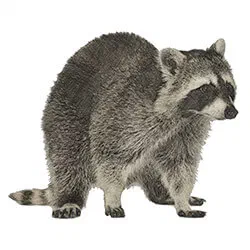
How to identify Wildlife
There is a huge variety of wildlife in Canada, including around 26 species of snake and more than 20 species of squirrel. There’s also just as much variety in where wildlife pests choose to live. In the wild, raccoons make dens in tree cavities and caves, while skunks live in grasslands and forests. Rabbits prefer swamps and woodlands, with lots of groundcover for hiding or burrowing, and snakes live in forests, prairies, deserts, marshes, and near freshwater lakes and ponds.
How to prevent Wildlife from invading
Use tamper-resistant outdoor garbage cans. Store garbage cans away from your home, Remove bird feeders and pet food. Trim back overhanging trees and shrubs. Build fences below and above ground. Seal potential entry points and openings. Secure gaps under decks and porches. Install screening over vents and chimneys. Remove collections of debris and brush. Use flashing lights or sound repellents.
Habitat, Diet, and Life Cycle
Most wildlife pests are mammals, so are born live and weaned by their mother. However, snakes lay eggs, which later hatch into offspring, and young opossums develop in their mother’s pouch.
Commonly Asked Questions
Why do I have wildlife pests?
Often when wildlife pests invade homes or businesses, they are simply seeking a source of food, water, and shelter. Raccoons are extremely well adapted to this and like to live under porches, and in garages, abandoned buildings, and barns. They will eat anything they can find, including garbage, bird feeders, and unattended pet food. However, sometimes, wildlife invades trying to replicate their natural nesting habitat. Bats roost under bridges, caves, and rock crevices. Looking for somewhere similar, they sometimes enter homes through open windows and doors, and end up roosting, and giving birth to young, in attics.
How worried should I be about wildlife pests?
Urban wildlife can become major pests when they set up home in your property, causing structural damage, contaminating food, and devastating crop yields. Wildlife can also cause severe health issues, transmitting serious diseases, and attacking humans and pets. Skunk spray is so powerful it can cause skin irritation and blindness. Some snake bites can be deadly. However, animal control of some wildlife pests is highly regulated. For example, in some areas, it is illegal to remove a female raccoon and her kits from their nesting site until the young are able to leave with the mother. As a result, wildlife removal should be left to a licensed pest-control professional. Integrated wildlife removal aims to strike a balance between animals and humans, using solutions that are environmentally sound and ecologically responsible. A qualified professional will work to ensure no wildlife is harmed during the removal process. When removing an animal from a property, a reputable service typically applies a “capture and release” approach and follows the wildlife removal regulations applicable in the local area.
Browse This Section
Every guide in Wildlife
Use these links to move quickly between closely related pages in the same section.
Feral Cats
How to identify Feral Cats As the direct descendants of domesticated cats, feral cats look exactly like any other …
Moles
How to identify Moles The pests range from 12 to 20 cm long and have dark grey or brown fur. Most also have slender, …
Rabbits
Appearance Five species of rabbits populate our service area: Eastern cottontails, White-tailed jackrabbits, Arctic …
Skunks
Appearance Striped skunks are stout little animals with stumpy legs. They have small heads, short, pointed snouts, and …
Snakes
How to identify Snakes The fact that snakes have no arms or legs gives them a unique appearance. While colouration and …
Squirrels
Types of squirrels Canada is home to 22 different types of squirrels. Six of these are ground-dwelling, four live in …