Wood Tick Facts & Information
Identification
What You Can Do
In order to avoid wood tick infestations, keep grass around the home well trimmed. Inspect pets and people carefully after outings. Wearing long pants, high top socks, boots, and long-sleeved shirts as well as using tick repellent can also help with prevention.
Appearance
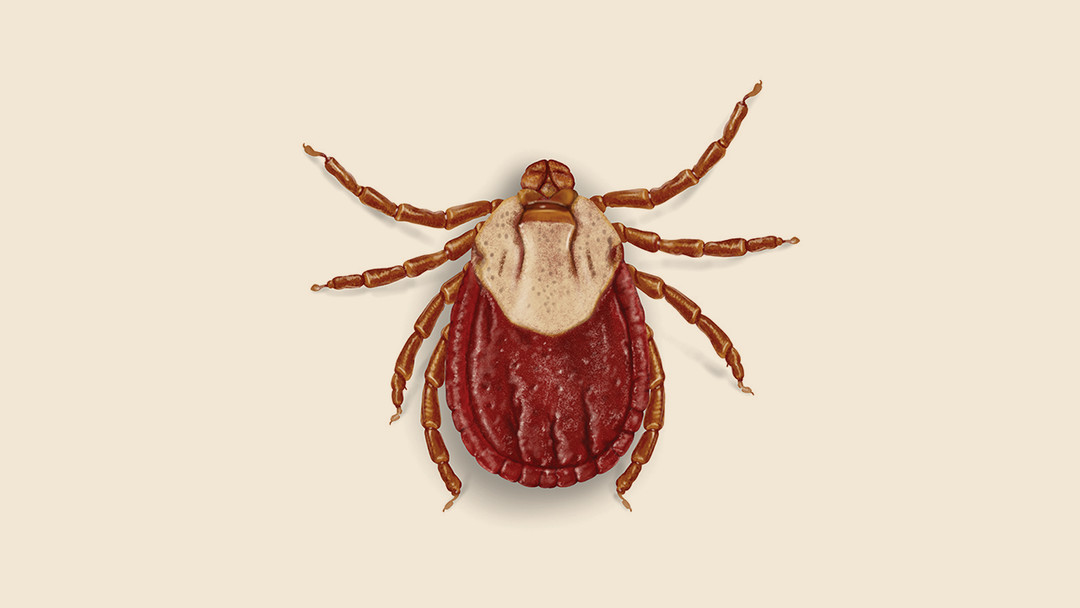
- Legs: As arachnids, mature wood ticks (also known as American dog ticks) have four pairs of legs that allow them to crawl efficiently through their surroundings and the hair or fur of their hosts.
- Females: Adult females measure approximately 5 mm in length and males about 3.6 mm. They both have grayish patterns on their bodies. However, following a feeding, females may grow to 1.5 cm in length.
- Males: Male wood ticks are identifiable by mottled gray coloration along their backs. Females bear almost completely gray coloration behind their heads.
Habitat
The American dog tick is also known as the wood tick and is common wherever domestic animals or livestock dwell. They also thrive in locations where plants, bushes and grasses are accessible to humans. They are found in wooded or grassy areas and may also be referred to as Rocky Mountain wood ticks.
Life Cycle
Adult females detach themselves from their hosts in order to locate suitable locations for egg laying. Inside, engorged female ticks are often found in potted plants. They are also common beneath fallen leaves in gardens. One female is capable of laying 5,000 eggs in a single batch.
After larvae emerge from eggs, they go in search of small hosts, such as mice. They also feed until they become engorged and then drop to the ground to develop into nymphs. In ideal temperatures and climates, wood ticks may develop fully within three months. However, in less ideal environments, their development may span up to two years.
Wood Tick Removal
If you locate a feeding tick , remove it from the victim with tweezers or forceps. Do not squeeze the body of the tick, as this may further transmit harmful bodily fluids. It is also imperative that the mouthparts of the tick be completely removed from the bite site.