Ticks Guide
Fowl Tick Facts & Information
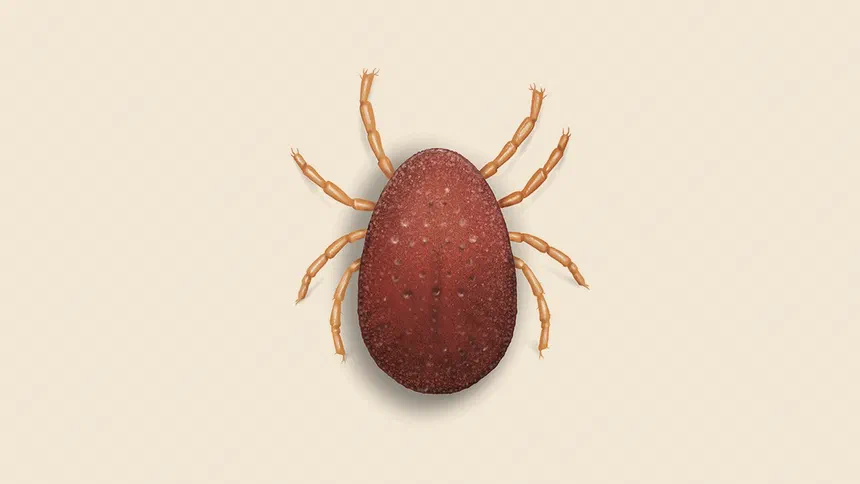
Appearance Size: Adults are about 1/4 inch long. Characteristics: Nymphal and adult fowl tick mouthparts are not visible when viewed from above since they are hidden by the front margin of the tick’s body. Color: Fowl …
At a glance
Appearance
- Size: Adults are about 1/4 inch long.
- Characteristics: Nymphal and adult fowl tick mouthparts are not visible when viewed from above since they are hidden by the front margin of the tick’s body.
- Color: Fowl ticks range in color from light to dark red-brown, and their skin is wrinkled.
Diet
Although fowl ticks are usually associated with poultry production, roaming ticks can also invade and infest homes and attempt to feed on people and pets. Adult and nymph fowl ticks most actively seek to feed at night and feed for only about 15-30 minutes before leaving their host and returning to their harborage site.
Geographic Range
These pests are distributed worldwide. Within the United States, the modernization of poultry production has made fowl ticks somewhat spotty in their distribution. However, the Southern and Southwestern states are more likely to have populations.
Life Cycle
Fowl ticks, also referred to as blue bugs or chicken ticks, are in the group known as soft ticks . They undergo four developmental stages, which includes:
- Eggs: Adult females lay from 25 to upwards of 500 eggs after feeding on a host. Eggs will hatch 10-30 days after being laid, depending on temperature and humidity within their habitat. Fowl tick eggs are deposited inside small nooks and crannies throughout poultry houses.
- Larvae: Once hatched, the larvae begin to seek out birds for a blood meal. Larvae may stay attached for up to several days, not leaving the host until they are fully engorged with blood.
- Nymphal: Larvae will then drop off the host, molt into the nymphal stage, and after about one week, take another blood meal.
- Adults: After completing the nymphal stage, the fowl tick matures into the adult stage. Adults do not remain on the host; after each feeding, they return to the harborage site in cracks and crevices.