Termites Guide
Subterranean Termites
Identification factors for Subterranean Termites Alates (swarmers) Alates are dark-brown to black in colour, approximately 6.35mm (¼″) to 12.7mm (½″) long with two pairs of wings that are almost equal in length.
At a glance
Identification factors for Subterranean Termites
Alates (swarmers)
Alates are dark-brown to black in colour, approximately 6.35mm (¼″) to 12.7mm (½″) long with two pairs of wings that are almost equal in length.
Workers
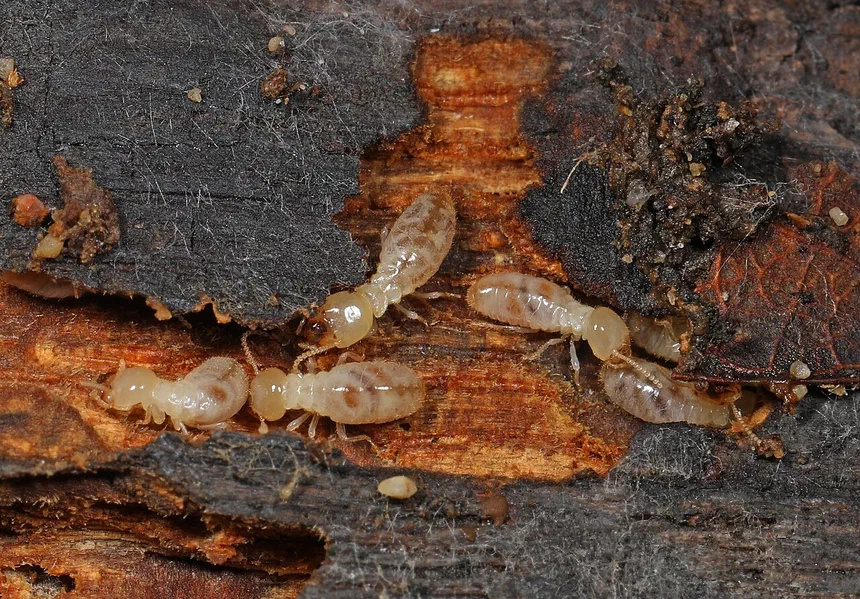
Workers do not have wings, are approximately 6.35mm (¼″) or less in length and are cream coloured.
Soldiers
Soldier termites do not have wings. They have large heads with large mandibles (jaws). A soldier’s body is usually creamy-white in colour, while their heads are brownish.
How Did I Get Subterranean Termites?
When swarmers are looking to form new colonies, any area where the soil is suitable can be a nesting site, including on your property. These pests can be introduced through soil material and wood materials that may have been brought onto your property.
How Serious Are Subterranean Termites?
As the most common type of termite, subterranean termites cause millions of dollars in structural damage each year in North America. Some colonies have more than one egg-laying female, so subterranean termite nests can grow quickly. Since the pests can often infest homes for years undetected, responding to early warning signs is key to preventing serious damage. The most commonly observed warning signs are the presence of winged swarmers, discarded wings, mud tubes and evidence of damaged wood.
How Do I Get Rid of Subterranean Termites?
Because subterranean termites nest underground and can go undetected for years, contacting a licensed pest-control professional is usually the most reliable option. A qualified professional can inspect the property and develop a customized treatment plan suited to the specific situation.
Professional Termite Baiting and Treatment Systems
Subterranean termites can be a serious threat to homeowners across parts of Canada. Professional termite treatment approaches, such as in-ground baiting systems and soil-applied liquid termiticides, are designed to help eliminate colonies and provide ongoing protection against subterranean termites.
Signs of a Subterranean Termite Infestation
Swarmers
A subterranean termite infestation begins when temperatures outside create ideal conditions to send out a swarm of winged termites (alates). Swarmers consist of winged reproductive males and females, who are on a mission to form new colonies and reproduce.
Piles of Wings
After mating, swarmers land and shed their wings, leaving them in piles that resemble fish scales. If you see piles of wings on your windowsill, check to see if they are all the same size. As wings are one of the more visible signs that termites are near.
Damaged Wood
As subterranean termites nest underground, damaged wood usually has an accumulation of soil or mud. Since subterranean termites only eat the softwood, the damage appears to be layered, as workers do not eat the hardwood. Learn more about other common signs of termite evidence.
Habit, Diet & Lifecycle
Where do termites live?
As the name suggests, subterranean termite nests are found below ground. Nests may be found above ground, but only when sufficient moisture conditions are available to support the above-ground nest.
What do termites eat?
A subterranean termite’s diet primarily consists of wood and other cellulose material. Cellulose material can include everything from plant based fibres to processed materials such as drywall/sheetrock, books, paper, certain insulation, etc.
Subterranean Termite Life Cycle
There are different rates of growth from an egg to adulthood. One primary queen per colony can lay tens of thousands of eggs in its lifetime, termites hatched from eggs (called larvae) molt into the different termite type (i.e soldier, worker, etc.). It may take five to 10 years for a single pair of alates to form a mature colony that can produce alates.
Distribution of Subterranean Termites
Subterranean termites are found throughout Canada, but are scarce in the colder areas of the country. Canada has both the eastern subterranean termites and the western subterranean. Eastern subterranean termites (Reticulitermes flavipes) are commonly found in densely populated areas across eastern Canada such as Toronto. While western subterranean termites (Reticulitermes hesperus) can be found in parts of British Columbia, especially in Kelowna and Vancouver.
Found an error, source problem, or image concern? Report this page.