Library Section
Termites
What are the different types of Termites in Canada The most common pest species of termites in Canada include the eastern subterranean termite ( Reticulitermes flavipes ), the western subterranean termite ( …
At a glance
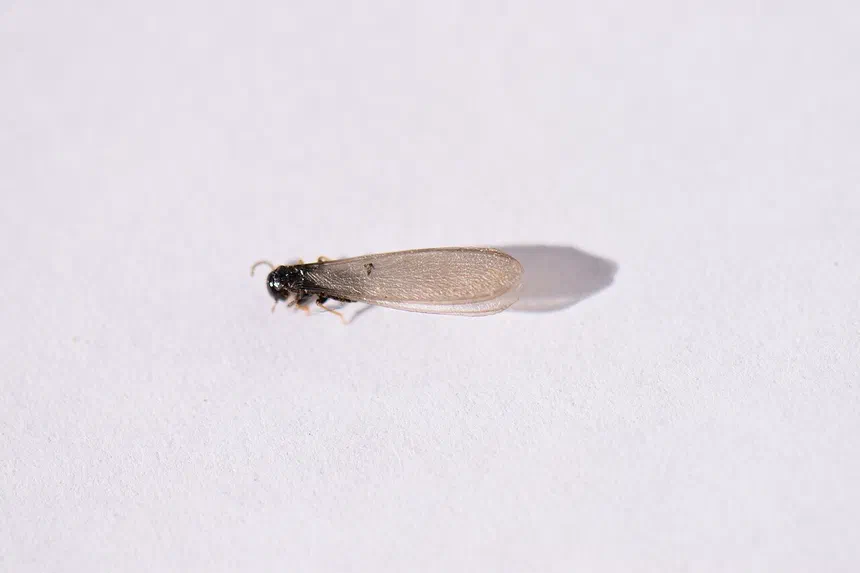
Image: PumpkinSky — CC BY-SA 4.0 · source
What are the different types of Termites in Canada
The most common pest species of termites in Canada include the eastern subterranean termite ( Reticulitermes flavipes ), the western subterranean termite ( Reticulitermes Hesperus ), and the Pacific dampwood termite ( Zootermopsis angusticollis ). Located in different regions of Canada, subterranean termites tend to be cosmopolitan in distribution, while dampwood termites cause problems on the western coast. Subterranean species are responsible for the bulk of damage inflicted on homes, as the dampwood species target moist and rotting wood. The presence of dampwood termites usually indicates an ongoing moisture problem.
How to identify Termites
Termite colonies contain three main social castes: workers, soldiers, and reproductives. Each caste and type of termite differs slightly in appearance. In general, subterranean termites produce smaller workers of approximately 6 mm, while dampwood termite workers measure about 20 mm in size. Termite soldiers have enlarged mandibles, and reproductives feature two pairs of nearly identical wings. Members of every caste have three body parts: a head with a pair of segmented antennae, thorax, and abdomen. The insects appear whitish-brown to nearly black in colour. Differences Between Termites and Ants Because they look similar, people can often confuse termites with flying ants or carpenter ants. The only kind of termite that has wings is the reproductive swarmer while there are a few ant species that produce winged reproductives including carpenter ants, pavement ants and odourous house ants. Both ant and termite swarmers are active at the same time of year and in similar weather conditions making it even harder to tell the difference. Here are few things to look for to identify the difference between flying ants and termites. Pay particular attention to these three parts of the body: the antennae, the waist and the wings.
- Termites have straight antennae while ants are bent at an angle.
- The waist on a termite is broad and uniform with the rest of its’ body while ants are very narrow
- Wings on a termite will be of equal length and on an ant the front wings are significantly larger than the back wings Colour wise termite swarmers are black, flying ants are usually reddish-brown and carpenter ants are unusually large and black.
What are signs of Termites
Despite their covert lifestyle, termites consistently leave behind certain signs of their presence. To avoid drying out, subterranean termites make mud tubes along walls, fences, and steps to help them travel between the colony and food sources. Homeowners should remain on the lookout for the dry and moist lines of mud, particularly in basements and garages. Spotted, striped, discoloured, or warped wood may also indicate the existence of termites below the surface. Furthermore, knocking on wood and hearing a hollow sound typically indicates termite damage.
Possible Areas of Termite Activity in Your House
People often wonder how such small insects can cause so much damage. If your home is in a known termite area it is at risk because these little insects have a never ending appetite. Remember that a regular inspection by a licensed pest-control professional can help you identify any clues of an infestation. Here are the top four reasons why your home can be at risk of termites: Temperature Any home that is climate controlled year round will help create the conditions that are optimal for termites. Moisture Anything that creates moisture around your home can help attract termites including runoff moisture, drainage issues and condensation around and under your foundation. Food Any wood products are at risk of attack by termites. This can include framing, debris, landscaping products and even firewood stored outside. Access Termites can enter your home through even the smallest cracks or openings. Termite Warning Signs In can be very difficult for a home owner to see evidence of wood eating insects because they live inside the wood or underground. Termites are no different but they often leave clues behind. Here is what to look for: Wood Damage Termites will eat the wood from the inside out and can sometimes leave behind nothing but the wood grain. Discarded Wings You do not necessarily have to see a swarm of termites in action to notice it has taken place. Not long after the swarmers take flight they will shed their wings and leave behind small piles of wings. These wings can often be found near your structure around the foundation or in the webs of spiders. Mud Tubes Subterranean termites will build mud shelter tubes to serve as safe paths between the colony and the wood they are eating. These tubes can be found both inside and outside and are made of small bits of soil, wood and debris. These tubes are used to conserve the moisture that is essential for their survival and also to protect the colony from any nearby predators. Termite Droppings Some termites will leave behind frass or droppings. These tiny fecal mounds often mean the wood above is infested with termites. If you live in an area that is known to have termites these are some of the places on your home that you should pay particular attention to.
- Roof Vents, Siding and Windows: Anywhere in your house where there is a crack there is the potential for termites to enter. Consider areas like window joints, your siding, your eaves and roof vents.
- Plumbing: Anything that creates moisture can attract termites. Fixing any leaking plumbing to avoid the buildup of excess moisture will help.
- Foam Insulation: Termites can move quite quickly through foam insulation which leads them right to the wood in your house.
- Decks and Wooden Fences: Have a look to see if there is any damage on your decks or fences and repair as needed. If the wood touches soil it can be an attractive target for termites.
- Firewood and Lumber: Remember that any wood touching the soil are perfect ways for termites to get into your home as it may create a path that bypasses any protective soil treatment that may have been applied. Have a look around your house and remove any stacked firewood or lumber away from the foundation.
- Air Conditioner Condensation: Moisture is essential to a termite colonies’ survival so be sure to divert water away from the foundation in any area that is continually moist.
- Crawl Spaces: Any debris of a wood nature in a crawl space can also help attract termites. Keep your crawl spaces as clean as possible.
- Gutters and Downspouts: Anything on your home that helps create moisture is an issue in known termite areas. Keeping your gutters and downspouts clean and flowing will help.
- Wood-to-Ground Contact: A large number of termite infestations happen because somewhere there is wood to ground contact. Do your best to reduce these kinds of opportunities for termites.
- Wood Chips and Mulch: As with firewood and lumber be aware that any kind of wood related material can attract termites.
How to prevent Termites
In general, altering the surrounding area of a home or building to make it less favourable for termites will prevent infestations from occurring. Reduce moisture levels by fixing leaky plumbing and ensuring all drainage flows well and away from the building. Keep shrubbery and trees maintained so that the vegetation does not come in contact with the structure, and store lumber and firewood away from the building in a dry place. Learn more about how you can inspect and prevent invading termites.
How to remove Termites
Suspected termite infestations usually demand the attention of a licensed pest-control professional. Most instances of infestation require the application of termiticides on or in the soil, and industry professionals possess the proper certifications and experience to apply termiticides safely and correctly.
Professional Termite Baiting and Monitoring Systems
Licensed pest-control professionals may use in-ground baiting and monitoring systems as one approach to managing subterranean termites. These systems place monitoring stations in the soil around a structure so that termite activity can be detected and treated over time. Because the products and certifications involved are not available to the general public, this type of ongoing protection is typically installed and maintained by a licensed professional.
Where do Termites live?
Termite colonies are prone to drying out, and termites must live in warm and humid environments. They are most active in temperatures from 24° to 35° Celsius and thrive in tropical and sub-tropical regions. In the cooler regions of Canada, subterranean termites nest below the frost line where they find their way into heated structures, such as homes and businesses.
What do Termites eat?
Termites derive nutrients primarily from cellulose. Therefore, the pests consume live or dead wood, twigs, roots, grass, plant litter, paper, cardboard, fibreboard, cotton, and other plant materials.
How long do Termites live?
It all begins with a mating flight. Swarming reproductive termites (both male and female) will leave their colony to procreate and establish new colonies. Once mating has been achieved they will land and shed their wings. Wherever they land is where they go on to form new colonies. Termite pairs that have mated go on to become the king and queen of their own new colony. The king and queen become the epicentre of the new colony and are responsible for the colonies reproduction. After fertilization the queen will lay her eggs which hatch as larvae. As they grow and molt these larvae will become one of three different castes in the colony: workers, soldiers or alates (reproductive termites). Each caste has a very specific role. Soldier termites develop drastically large heads and mandibles which are used in combat with any predators they may come upon. Their large mandibles make them incapable of feeding themselves, which is where the workers come in. Workers are responsible for feeding the other castes as well as building the shelter tubes and chambers. Alates are the young reproductive castes of both sexes and are born with two pairs of wings. After they have left the colony, swarmed and mated alates will shed their wings and establish a colony of their own, becoming the new queen and king. The typical lifespan of workers and soldiers is up to two years while queen termites can survive for up to ten years if all the climate conditions are optimal.
Termites vs. Flying Ants
Waist and body shape
Termites have thick, uniform bodies without a constricted waist, giving them a rectangular appearance. Flying ants have narrow, pinched waists that create a segmented appearance.
Antennae
Termites have straight, beadlike antennae. Ants have elbowed (bent) antennae.
Wings
Termites have two pairs of wings of equal length that are longer than the body and shed easily after swarming. Flying ants have two pairs of wings of unequal sizes; the front wings are longer than the hind wings.
Colour
Termite workers can be light coloured or creamy white depending on the species. Ant workers can be reddish to dark coloured depending on the species.
Diet and damage
Termites feed on cellulose (wood, paper) and chew through healthy wood, causing structural damage. Ants on the other hand depending on species are omnivores, carnivore or scavenger. Carpenter ants excavate moist or decayed wood to build nests but do not eat it; they feed on nectar, insects and household food and leave wood shavings or frass outside their galleries.
Behaviour and signs
Subterranean termites build mud tubes and ragged tunnels filled with soil; drywood termites produce exit holes in infested wood and wood dust, termite swarms leave piles of identical shed wings. Some ants like carpenter ants create smooth, clean tunnels and may leave piles of wood shavings, some ants create piles of debris made of dirt and ant body parts; winged reproductive ants shed their wings after mating, while termites shed all four wings simultaneously.
Commonly Asked Questions
Why do I have termites?
The most common pest species of termites in Canada include the eastern subterranean termite, the western subterranean termite, and the Pacific dampwood termite. Termites live in colonies made up of hundreds of thousands to millions of members, all divided into three main social castes: workers, soldiers, and reproductives. They prefer warm, humid environments, so often find their way into heated homes and businesses through damp, rotting wood, and consume live or dead wood, twigs, roots, grass, plant litter, paper, cardboard, fibreboard, cotton, and other plant materials.
Should I be worried about termites?
Termites play an important role in the ecosystem by recycling wood, facilitating decomposition, replenishing essential nutrients in the soil, and assisting in the growth of plants, but they can cause significant structural damage to homes and other manmade structures. Termites can completely excavate through wooden floors, furniture, window frames, doors, panelling, and other important structural components of buildings, with each colony able to eat at least half a kilogram of wood each day. The resulting damage weakens the wood and makes the structure prone to further deterioration. Several billion dollars are spent on termite damage each year in North America. Termites can leave wood spotted, striped, discoloured, or warped. Subterranean termites make mud tubes along walls, fences, and steps to help them travel between the colony and food sources. With millions of termites to tackle, these infestations are a serious challenge and must be left to properly certified professional pest control services with the experience and expertise to apply termiticides and eradicate your termite infestation for good.
How much does it cost to fix a termite problem?
No insect causes as much damage in North America as termites. Most of the damage is structural and depending on the extent of the damage extermination and remediation costs can sometimes run well into the thousands of dollars. Once termites find their way in they are extremely hard to control and exterminate, so preventative measures are often recommended. Based on the species of termite and other factors such as the size of the infestation, treatments can vary. The chemicals required for a successful termite treatment are not for sale to the public and must be used under strictly controlled conditions. That is why a licensed pest management professional is the best option. They can set up the best corrective steps if you have a termite infestation or preventative measures if you are worried about the possibility of a termite infestation. Knowledge is the best tool to protect your home and your investment in it. A qualified and licensed pest-control specialist can set up a corrective or preventative termite treatment program customized specifically for your home.
Browse This Section
Every guide in Termites
Use these links to move quickly between closely related pages in the same section.
Are Flying Termites Attracted to Light?
What Are Winged Termites? Individuals may notice termites in and around homes throughout the spring and summer months. …
Arid Land Subterranean Termites
Appearance Arid land subterranean termites look similar to many other subterranean termite species that have three major …
Can Rain Stimulate Termite Activity in the House?
Although they may seem indestructible when infesting homes, termites are actually fragile creatures that need specific …
Can Termites Live in Trees?
Cellulose is a common organic compound found in plants and trees. It also happens to be the termite’s main source of …
Can Termites Swarm After Treatment?
Post-Treatment Swarming Swarming termites, also known as alates, are mature termites seeking mates. They do not eat …
Conehead Termites
What is a conehead termite? Originally known as the “tree termite,” the conehead termite thrives by feasting on wood. …
Conehead Termites
How to identify Conehead Termites Individual soldiers each have a large, bloated head that resembles a helmet. Ranging …
Dampwood Termites
What is a Dampwood Termite? As their name suggests, dampwood termites, are a termite species that infest damp and …
Dark Southeastern Subterranean Termite Facts & Information
Appearance Reticulitermes virginicus alates are about 1/3-inch long and have a dark-brown or black body. Soldiers have a …
Desert Dampwood Termites
SCIENTIFIC NAME Paraneotermes simplicicornis APPEARANCE The swarmers, or winged reproductives, kings and queens of this …
Desert Drywood Termite Facts & Information
Appearance The desert drywood termite is also called the light western drywood termite. This common name comes from the …
Desert Subterranean Termite Facts & Information
Appearance Desert subterranean termites have three castes –workers that resemble cream-colored ants; reproductives that …
Desert Termite Facts & Information
Appearance Similar to most other termites, the desert termite has three castes (stages) in their colony – the workers, …
Difference Between Flying Ants And Termites
For many homeowners, the first obvious sign of termite infestation is a swarm of flying insects. However, not all …
Do Termites Fly?
Do Termites Fly? Most people are familiar with the white, grub-like termites that infest wood in homes. However, like …
Do Termites Have a Queen?
Key Points Lifespan: Termite queens can live anywhere from 25 to 50 years. Role: Her main job is laying eggs to build …
Drywood Termites
What are Drywood Termites? Drywood termites are a termite species known for thriving in hard, dry wood found inside a …
Eastern Subterranean Termite Facts & Information
Appearance Eastern subterranean termites are social insects that organize into very functional colony structures. Each …
Facts about Termite Eating Habits
Do Termites Eat Cellulose? Termites eat cellulose material including the following: wood plants carpet insulation …
Florida Dampwood Termites
SCIENTIFIC NAME Neotermes castaneus APPEARANCE Dampwood termite colonies are populated by three primary castes or …
Flying Termites
Flying termites, also called alates or swarmers, are more than just an annoying sight near windows or lights. They are a …
Formosan Termites
What Are Formosan Termites? Formosan termites are a subterranean species of termite with three distinct castes: alates …
How Do Termites Find Wood?
How Termites Locate Wood in Homes Termites are wood-consuming insects that feed on cellulose found in wood and other …
How Do Termites Get Into Your House?
The purpose of termite treatment is to keep termites from getting inside the house, so let’s take a look at how they get …
How Do Termites See?
Are They Blind? Unlike many pests, termites rely on other senses more than eyesight to interact with the world around …
How Do You Know if You Have Termites?
How to Check for Termites in the Home In the United States, termites do more damage to homes every year than all …
How Fast Do Termites Eat Wood?
The rate at which termites eat wood depends on many factors such as the species of termite, size of the colony, type of …
How Long Does a Termite Live?
Considering that termites live in soil and are exposed to a multitude of fungi and predators that can break into the …
How to Identify Termite Droppings
Drywood Frass Mysterious piles of pellets are indicative of drywood termite presence. These piles could be drywood …
Is a Termite an Insect?
Insect Features Adult-stage insects have three pairs of legs and segmented bodies comprising three distinct sections: …
Pacific Dampwood Termites
SCIENTIFIC NAME Zootermopsis angusticollis APPEARANCE The Pacific dampwood termite colony consists of three castes: …
Signs of Termite Damage
Termites can cause severe damage to human homes Although termites are ecologically beneficial in that they break down …
Southeastern Drywood Termite Facts & Information
Appearance Southeastern drywood termites are similar in appearance to other species of drywood termites. Therefore, the …
Subterranean Termites
What are subterranean termites? Subterranean termites can cause the most damage of any termite species. These termites …
Subterranean Termites
Identification factors for Subterranean Termites Alates (swarmers) Alates are dark-brown to black in colour, …
Termite Alates
What Are Termite Alates? Termites are born with distinct roles for the various castes within the colony in order to …
Termite Damage to Drywall
Drywall, also called sheetrock, is used for walls and ceilings in homes. It is made of panels of plaster enclosed on …
Termite Eggs
The termite lifecycle begins with a fertilized egg. A termite egg is very small, white and oval-shaped. Since termite …
Termite Exit Holes
When drywood termites swarm, they leave their nests through exit holes in the wood. By correctly identifying these holes …
Termite Floor Damage
How Can Termites Damage Flooring? Repairing termite damage to a floor can be a complicated process. Termites rarely …
Termite Foundation Damage
Termites cannot damage a foundation made of concrete, concrete block or brick. However, termites can enter a home …
Termite Larvae
While adult reproductive termites are not usually responsible for structural damage, it is essential that the worker …
Termite Life Cycle
Key Points Three Stages: Termites go through an incomplete metamorphosis: egg, nymph, and adult. The Castes: Termite …
Termite Prevention Tips
True or False: Termite queens live for several decades. True: A queen termite has a long lifespan and is typically the …
Termite Structural Damage
In an average year, termites are responsible for $1 billion to $2 billion in property damage. Most of this damage is not …
Termite Swarm
What is a Termite Swarm? It may sound like a scene out of a science fiction movie, but termite swarms are a common and …
Termite Wall Damage
What Does Termite Wall Damage Look Like? Holes and cavities within walls can indicate the presence of termites. Walls …
Termites in Carpets
While termites typically are feared for their wood-destroying abilities, they can consume any product made of cellulose, …
Types of Reproductive Termites
What Do They Do? Reproductive termites are vital for keeping the termite colony viable and successful. If there are no …
Types of Termite Colonies
The subterranean termite colony is thought by some to function as a “super-organism,” which means individual worker and …
Types of Termite Treatments
General Overview of Different Types of Treatment Options If left untreated, termites can cause immense damage to your …
Types of Termites
The Three Main Types of Termites There are about 45 different kinds of species of termites found in the U.S., each of …
Western Drywood Termite Facts & Information
Appearance Incisitermes minor is the most common species of drywood termite infesting structures in the Southwestern …
Western Subterranean Termite Facts & Information
Appearance Western subterranean termite workers look like white or cream-colored ants. Soldiers have an orange, …
What Attracts Termites?
Types of Termites The three common types of home-invading termites, dampwood, drywood, and subterranean, are drawn to …
What do Soldier Termites do in a Termite Colony?
Termites are social insects and live in colonies comprised of different castes. Although they vary slightly between …
What is a King Termite?
Termite Colony Structure Termite colonies have a queen and king. Next to the queen, the king is the most important …
What Wood Will Termites Not Eat?
Home-invading termites prefer soft, rotting, or fungus-infested wood with high moisture content. For this reason, most …
Where Do Termites Come From?
Termite Habitats and Why They Enter Homes There are three major types of termites, drywood, dampwood, and subterranean, …
Why Do Termites Eat Wood?
Wood and Cellulose Termites’ diets are primarily made up of cellulose, an organic fiber plentiful in wood and other …
Worker Termites
What do they look like? Termite workers are wingless and have hardened mouthparts. A termite worker’s head is also …