Rodents Guide
Squirrel Facts & Information
What do squirrels look like? Squirrels are agile, tree-dwelling rodents best known for their long, bushy tails. The common grey squirrel has a body around nine to twelve inches long with a tail nearly as long again, and …
At a glance
What do squirrels look like?
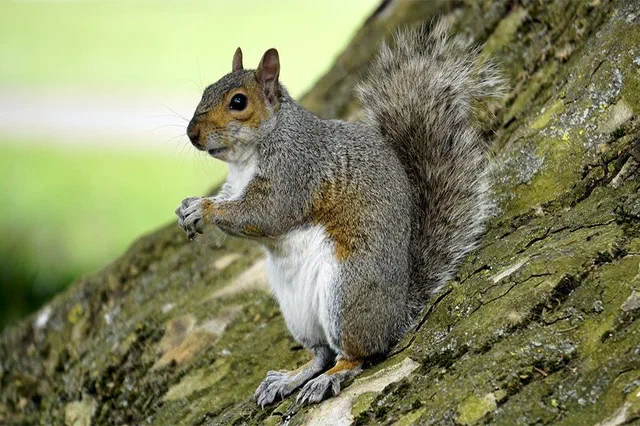
Squirrels are agile, tree-dwelling rodents best known for their long, bushy tails. The common grey squirrel has a body around nine to twelve inches long with a tail nearly as long again, and weighs roughly one to one and a half pounds. Coats vary by species and region from grey to brown to reddish, usually with a paler belly. Sharp, curved claws and a strong tail make them expert climbers and jumpers, and like all rodents they have continuously growing incisors that must be worn down by gnawing.
Where do they live
Tree squirrels nest in wooded areas, parks, and suburban yards, building leafy nests called dreys high in tree forks or denning inside tree cavities. They are active during the day and do not hibernate, staying busy year-round gathering and caching food. In populated areas they readily adapt to attics, soffits, chimneys, and wall voids, which offer warm, dry, protected space close to a reliable food supply.
Why do I have squirrels
Squirrels are drawn to properties with mature trees, bird feeders, nut and fruit trees, and easy roof access from overhanging branches. They seek shelter to nest and raise young, particularly in late winter and late summer when their breeding seasons peak, and a warm attic is an ideal substitute for a hollow tree.
How worried should I be about squirrels
Outdoors, squirrels are mostly a garden nuisance, raiding feeders, digging up bulbs, and stripping bark. The bigger concern is when they move indoors. Their constant gnawing can damage roofing, siding, insulation, and — most seriously — electrical wiring, which is a fire risk. Nests in attics and chimneys bring droppings, noise, and parasites, and a trapped squirrel can cause further damage trying to escape.
What You Can Do
- Cut access: Trim tree branches back at least six to eight feet from the roofline to remove easy bridges.
- Seal the home: Cap chimneys, screen vents and soffits, and close gaps around the roof and eaves with heavy hardware cloth.
- Remove attractants: Use squirrel-proof bird feeders and clean up fallen nuts, seeds, and fruit.
- Eviction and repair: If squirrels are already nesting inside, one-way exclusion doors let them leave without returning; confirm no young are present first, and a wildlife professional can handle removal and seal-up.