Rodents Guide
Shrew Facts & Information
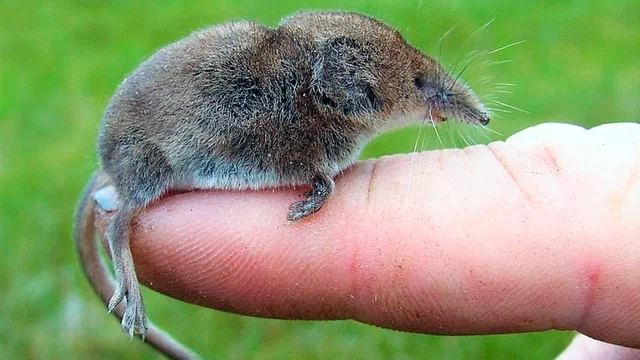
What do shrews look like? Shrews are among the smallest mammals, often just two to four inches long including the tail and weighing only a fraction of an ounce. Though they are frequently grouped with rodents because of …
At a glance
What do shrews look like?
Shrews are among the smallest mammals, often just two to four inches long including the tail and weighing only a fraction of an ounce. Though they are frequently grouped with rodents because of their mouse-like size and habits, shrews are actually insectivores and are not true rodents. They are recognized by a long, pointed, twitching snout, very small eyes, ears mostly hidden in dense velvety fur, and sharp, spike-like teeth rather than the gnawing incisors of mice and rats. Their colouring ranges from grey to reddish brown.
Where do they live
Shrews live in gardens, lawns, leaf litter, log piles, stone walls, and dense ground cover, hunting through the tunnels and runways left by other small animals. They have an extremely high metabolism and must eat almost constantly, feeding on insects, worms, snails, spiders, and other invertebrates. Most are active day and night in short bursts and remain busy throughout the year.
Why do I have shrews
Shrews are attracted to yards with abundant insects and dense cover to hunt in. They usually stay outdoors, but they may wander indoors through gaps around foundations, doors, and utility lines, especially in cooler weather or when following prey.
How worried should I be about shrews
Shrews do very little structural damage and are largely beneficial because they eat pest insects. They can, however, become a nuisance if they enter a home, and a few species have mildly venomous saliva that can cause a painful bite if handled. Their strong musky odor and droppings can also be unwelcome indoors. As with any wild mammal, they can carry parasites, so they should not be handled directly.
What You Can Do
- Seal entry points: Close gaps around foundations, doors, vents, and utility penetrations with sealant or mesh.
- Reduce cover: Clear brush, leaf litter, log piles, and tall grass near the home to remove hunting habitat.
- Limit prey: Managing insect and snail populations around the yard makes the area less attractive.
- Trapping: Small snap or live traps set along walls and runways can remove individuals that get inside; a pest professional can help with persistent activity.