Rodents Guide
Muskrat Facts & Information
What do muskrats look like? Muskrats are medium-sized, semi-aquatic rodents named for the musky scent they use to mark territory. Including the tail, adults measure roughly 16 to 25 inches and weigh between one and a …
At a glance
What do muskrats look like?
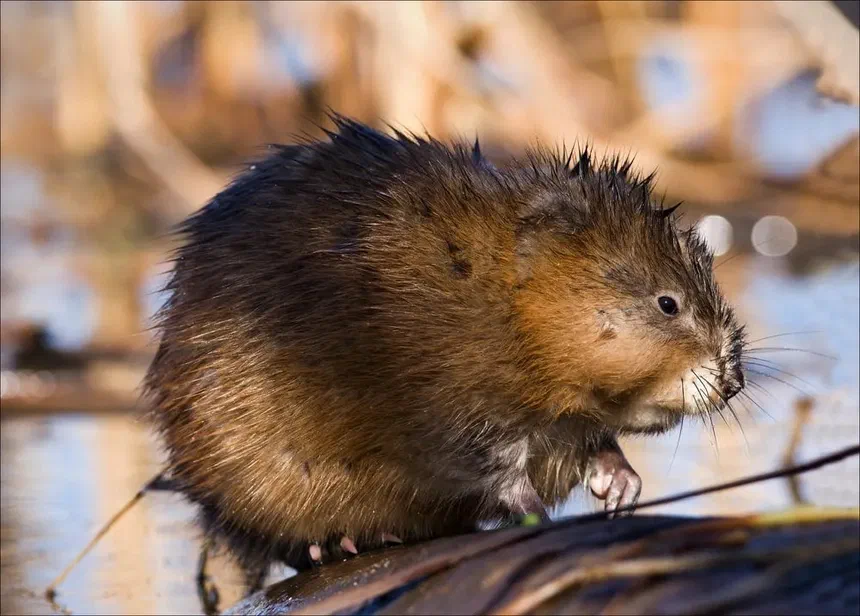
Muskrats are medium-sized, semi-aquatic rodents named for the musky scent they use to mark territory. Including the tail, adults measure roughly 16 to 25 inches and weigh between one and a half and four pounds, making them much smaller than a beaver. Their dense, glossy fur ranges from dark brown to nearly black and traps air to keep them warm in cold water. Unlike the beaver’s paddle, a muskrat’s tail is long, thin, and flattened side to side, which it uses like a rudder. Their partly webbed hind feet make them strong swimmers.
Where do they live
Muskrats favor marshes, ponds, slow streams, drainage ditches, and the edges of lakes with plenty of aquatic vegetation. They either build dome-shaped “push-up” lodges out of cattails, reeds, and mud, or dig burrows into banks with underwater entrances. They are active year-round, do not hibernate, and remain busy through winter beneath the ice.
Why do I have muskrats
Muskrats are drawn to any calm water bordered by soft banks and lush vegetation, so ornamental ponds, retention basins, and irrigation channels can all attract them. Their populations can grow quickly, since females may produce two or three litters in a season.
How worried should I be about muskrats
The main problem muskrats cause is structural. Their bank burrowing can weaken pond dams, levees, dikes, and canal walls, sometimes leading to leaks or collapse. They can also damage crops and garden plants near water and foul small ponds. Like other wild rodents, they can carry parasites and diseases such as tularemia and leptospirosis, so contact and handling should be avoided.
What You Can Do
- Harden banks: Line pond edges and dam faces with rock riprap or wire mesh to discourage burrowing.
- Reduce cover and food: Manage dense shoreline vegetation such as cattails to make the site less inviting.
- Control water levels: Where practical, fluctuating water levels can flood burrows and discourage settlement.
- Traps and professional help: Trapping is effective but regulated in many areas; a licensed wildlife control professional can trap and advise on local rules and bank repair.