Rodents Guide
Beaver Facts & Information
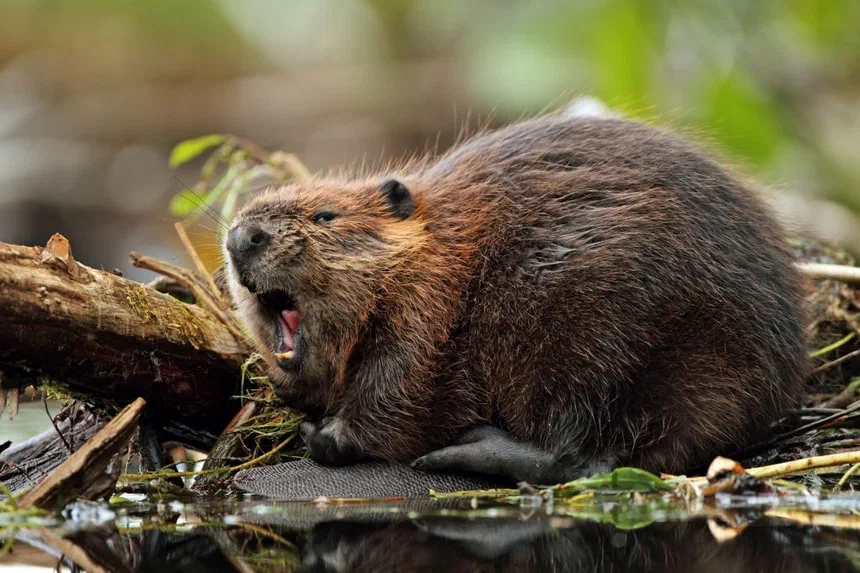
What do beavers look like? Beavers are the largest rodents in North America. Adults typically measure three to four feet long, including the broad, flat, scale-covered tail, and weigh between 40 and 70 pounds. Their …
At a glance
What do beavers look like?
Beavers are the largest rodents in North America. Adults typically measure three to four feet long, including the broad, flat, scale-covered tail, and weigh between 40 and 70 pounds. Their thick, waterproof fur is a rich brown, and they are built for a life in and around water: webbed hind feet for swimming, small front paws for handling branches, and a set of large, self-sharpening orange incisors used to fell trees. Their signature paddle-shaped tail helps them steer while swimming and slaps the water as an alarm signal.
Where do they live
Beavers are semi-aquatic and live along rivers, streams, ponds, and lakes wherever there is a steady water supply and trees to feed on. They are best known as ecosystem engineers: they dam flowing water with branches, mud, and stones to create deep, still ponds, then build dome-shaped lodges of sticks and mud with underwater entrances that keep them safe from predators. A single colony is usually a family group of an adult pair and their young from the past two seasons.
Why do I have beavers
Beavers move into a property because it offers the two things they need most: water and a supply of woody plants. Landscaped ponds, drainage channels, and wooded creek banks are all attractive. Once established, a colony can raise the local water table by damming culverts and outflows, which is often the first sign a homeowner notices.
How worried should I be about beavers
Beavers rarely threaten people directly, but their engineering can cause real property damage. Dams can flood yards, fields, septic systems, and roads, while their felling of trees can topple valued landscape and shade trees within a season. Burrowing into pond banks and levees can undermine those structures over time, and flooding can create standing water that becomes a nuisance.
What You Can Do
- Protect trees: Wrap the trunks of valued trees with hardware cloth or wire mesh to about three feet high to stop gnawing.
- Manage water: Install flow devices (“beaver deceivers” or pond levelers) through dams to keep culverts and outflows draining without provoking constant rebuilding.
- Remove attractants: Clear fallen branches and cut brush from the water’s edge to make the site less appealing.
- Professional help: Because beavers are protected or regulated in many areas, trapping and dam removal are often best handled by a licensed wildlife professional who can advise on local rules.