Other Guide
Pseudoscorpions
Why do I have pseudoscorpions Pseudoscorpions, also called false scorpions or book scorpions, live in damp debris, soil, and trees, and are commonly seen under tree bark, in leaf and pine litter, in tree hollows, under …
At a glance
Why do I have pseudoscorpions
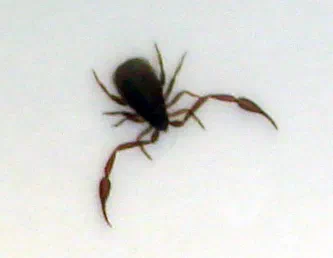
Pseudoscorpions, also called false scorpions or book scorpions, live in damp debris, soil, and trees, and are commonly seen under tree bark, in leaf and pine litter, in tree hollows, under stones and in caves. They prey on insects such as carpet beetle larvae, booklice, ants, mites, and small flies, using venom to capture and paralyze their prey. They then pour a mildly corrosive fluid over their prey and ingest the liquefied remains. Depending on the size and species of the pseudoscorpion, they sometimes hitch a ride on insects, where they feast on the parasites present on the host. When they do end up in homes, they’re usually found among dusty books full of mites, or in damp areas like basements, bathrooms, laundry rooms, or around drains. During cold weather or while mating or molting, pseudoscorpions also make disk-shaped cocoons by spinning silk from a gland in their jaws.
How worried should I be about pseudoscorpions
Pseudoscorpions may look fearsome but their venom has no effect on humans. However, their presence in your home can indicate a larger infestation of their pest prey. Clothes moth and carpet beetle larvae can destroy clothing, booklice and ants can contaminate household food, mites can cause allergic reactions, and flies can spread disease. To get the full picture of what’s going on inside your home and tackle the right infestations in the right way, get the help of a professional pest control service.
How can I prevent pseudoscorpions invading
Prevent moth, ant, and beetle infestations, Eradicate booklice, mites, and flies, Ventilate basements and other rooms, Clean drains and sinks areas