Library Section
Other
Where do they live? There is a massive variety of pests in Canada, and just as large a variety of pest habitats. Aphids like to live on new plants, bed bugs like multi-unit buildings, while wasps prefer nesting in eaves …
At a glance
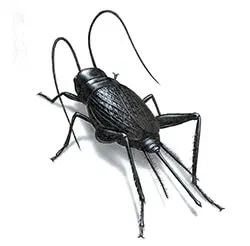
Where do they live?
There is a massive variety of pests in Canada, and just as large a variety of pest habitats. Aphids like to live on new plants, bed bugs like multi-unit buildings, while wasps prefer nesting in eaves and decking. Meanwhile, centipedes like dark basements, millipedes prefer piles of dead leaves, and termites seek out rotting wood.
Life cycle
Many of these pests, like moths, bees, and mosquitoes begin life as eggs that hatch into larvae, before pupating inside a cocoon to emerge as fully-grown adults. However, others, like centipedes, millipedes, and silverfish, hatch from eggs as nymphs, miniature versions of adults, and simply moult their skin as they grow larger.
Why do I have these pests?
When any of these pests enter your home or business, they are usually seeking food, water, shelter, and perhaps even a safe spot to reproduce. Bat bugs are looking for bats and other animals, centipedes and millipedes feed on dead insects, moths are attracted to fabrics and grains. Meanwhile, pseudoscorpions prey on live insects and are usually found among dusty books full of mites. Silverfish are scavengers that will invade crevices and eat anything they can find. Springtails feed on algae and fungi in rotting vegetables, while weevils seek out stored food products like cereal grains as a place to lay their eggs.
How worried should I be about these pests?
All of these pests can impact your home or business to varying degrees. Aphids wreak more damage on cultivated plants than any other insect, while termites for example, can completely excavate through wooden floors, furniture, window frames, doors, panelling. Some of these pests can also endanger your health. Hornets will aggressively defend their nests, inflicting stings that can cause fatal anaphylactic shock. Stink bugs, when crushed underfoot or disturbed, emit a foul odour, which can trigger allergic reactions like rhinitis or conjunctivitis. Meanwhile, some mosquitoes can transmit plasmodium, a pathogen that causes malaria, West Nile virus, encephalitis viruses complex, and filarial heartworm in dogs. Some of these species are invisible to the untrained eye, so can be very difficult to track down and eradicate. And many reproduce very quickly, meaning an infestation can quickly get out of control. If you suspect an infestation, it’s best to call a professional pest control service.
How can I prevent these pests invading?
Eliminate moisture and mould, Use dehumidifiers or fans, Ventilate bathrooms and attics, Seal cracks in walls, trim, and bed frames, Paint, stain, or weather-treat wood structures, Seal gaps around foundations, Repair door and window screens, Keep your home clean and sanitary, Cover exterior vents and holes, Seal cracked pipes and loose/worn out door seals, Remove brush, firewood, and mulch
Browse This Section
Every guide in Other
Use these links to move quickly between closely related pages in the same section.
Aphids
How to identify Aphids Aphids are tiny insects measuring 4 to 8 mm in length with soft, pear shaped bodies. Their colour …
Bat bugs
How to identify Bat bugs Like other members of the Cimicidae family, bat bugs are small, oval-shaped insects that also …
Booklice (Barklice)
How to identify Booklice A typical booklouse is small and soft-bodied, measuring about 1 to 2 mm or less in length, with …
Chinch bugs
What does a chinch bug look like Adult chinch bugs are about 3 to 4 mm in length, with black bodies and white, …
Hornets
How to identify Hornets Hornets are distinguishable from other types of wasps due to their larger size, painful sting, …
Leaf footed bugs
How to identify Leaf footed bugs Growing as large as 20 mm in length, most leaf-footed bugs appear brown in colour. The …
Masked hunters
How to identify Masked hunters The nymphs of masked hunters are covered with a sticky substance that collects dust and …
Plant bugs
How to identify Plant bugs Plant bugs have oval shaped bodies that usually range from 4 to 7 mm in length. They may be …
Pseudoscorpions
Why do I have pseudoscorpions Pseudoscorpions, also called false scorpions or book scorpions, live in damp debris, soil, …
Springtails
How to identify Springtails Springtails are tiny hexapods measuring about 2 mm long in length. They lack wings and the …
Wasps
How to identify Wasps A typical wasp is hairless, unlike common species of bees. Wasps possess three distinct body …