Nuisance Wildlife Guide
Prairie Dogs
What Do Prairie Dogs Eat? In the spring and summer, black-tailed prairie dogs consume up to two pounds of green grasses. They also eat flowers, seeds, shoots, roots and insects when available.
At a glance
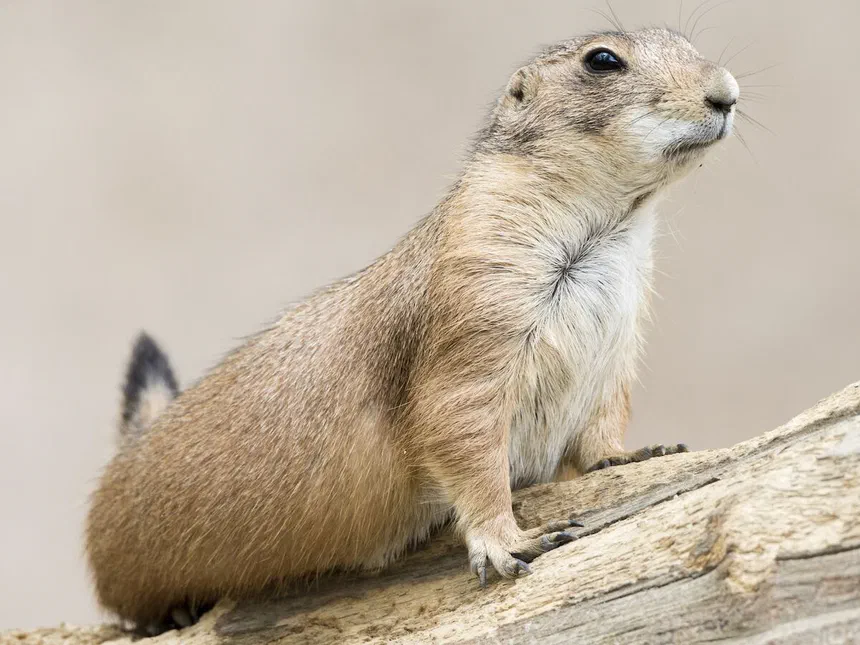
What Do Prairie Dogs Eat?
In the spring and summer, black-tailed prairie dogs consume up to two pounds of green grasses. They also eat flowers, seeds, shoots, roots and insects when available.
What Are Prairie Dogs?
Prairie dogs are stocky, burrowing rodents that live in colonies called towns. French explorers called them “little dogs” because of the barking noise they often make. Today, about two millio n acres of prairie dog colonies comprised of five species remain in North America, mainly in the Great Plains. The most abundant and widely distributed of these is the black-tailed prairie dog, which is named for its black-tipped tail. Read more prairie dog facts below.
What Do Prairie Dogs Look Like?
On average, a dult black-tailed prairie dogs are 15 inches long. Their bodies are covered in rather coarse sandy brown to cinnamon hair with grizzled black tips . Prairie dog bodies have little fur underneath . The fur they do have on their belly is light cream to white. Prairie dogs have four short muscular legs and a short tail.
Prairie Dogs Cynomys ludovicianus
Habits
Black-tailed prairie dogs are most active in the summer months and spend their days foraging. This species does not truly hibernate during the colder months and can be seen above ground in mid-winter. However, black-tailed prairie dogs may seek shelter underground for several days during severe winter conditions.
Habitat
The black-tailed prairie dog lives in densely populated colonies scattered across the Great Plains from northern Mexico to southern Canada. Occasionally, the species is found in the Rocky Mountains, but rarely at elevations exceeding 8,000 feet.
All prairie dog species prefer open areas of vegetation, commonly inhabiting grasslands. They do not tolerate tall vegetation well a nd avoid brush and timbered areas. In the Great Plains region, black-tailed prairie dogs often establish colonies near rivers and creeks.
Threats
Prairie dogs rarely come in contact with humans; however, they are capable of carrying disease organisms, such as plague.
Prairie dogs also bring with them another threat in the form of rattlesnakes and black widow spiders, which are frequently found in prairie dog towns. Rattlesnakes often rest in burrows during the day, while black widow spiders form webs in abandoned prairie dog holes. Bites from both of these pests are rare but can be fatal. Prairie dogs also pose a threat to local vegetation and livestock due to their continual feeding habits.
Signs of an Infestation
Prairie dogs graze to provide a clear view of their surroundings and improve their ability to detect predators. If you notice small holes in the ground or deterioration of local vegetation, there might be prairie dogs present. If you have an infestation, see below to learn how to get rid of prairie dogs.
How to Get Rid of Prairie Dogs
The most effective way to prevent an influx of prairie dogs on your property is to install fences, hay bales and other objects that can be used to reduce their visibility.