Nuisance Wildlife Guide
Groundhogs
What Do Groundhogs Eat? They are strict herbivores and eat a variety of vegetables including soybeans, beans, peas, carrot tops, alfalfa and grasses. When not feeding, they are known to sunbathe during the warmest …
At a glance
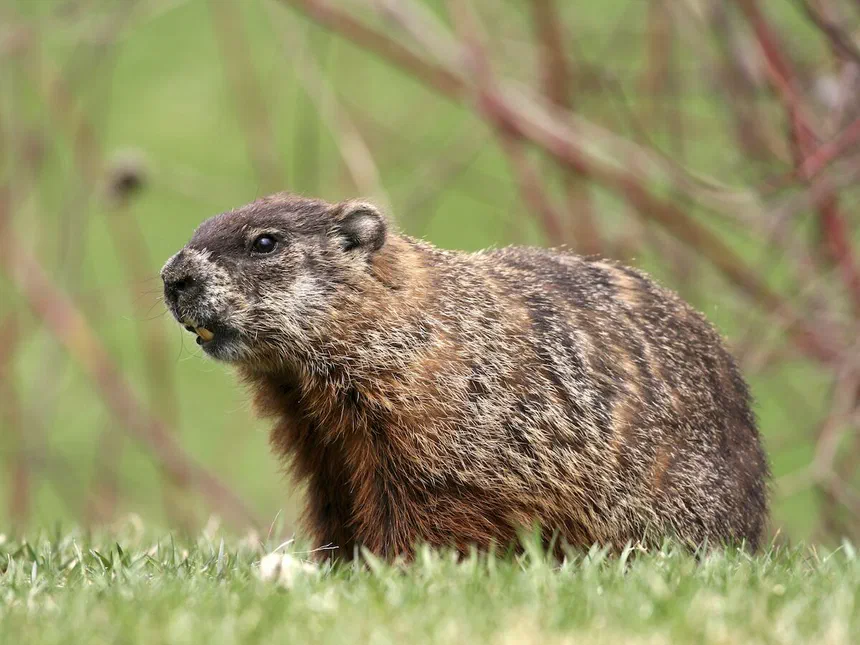
What Do Groundhogs Eat?
They are strict herbivores and eat a variety of vegetables including soybeans, beans, peas, carrot tops, alfalfa and grasses. When not feeding, they are known to sunbathe during the warmest periods of the day.
What is Groundhog Day?
Every year on February 2, people around the country celebrate Groundhog Day, a tradition that centers around the idea of a groundhog emerging from its hibernation to “predict” the weather. If the groundhog sees its shadow and returns to its burrow, there will be six more weeks of winter. But, if the animal does not see its shadow, then spring is right around the corner. The Groundhog Day ceremony featuring Punxsutawney Phil in Pennsylvania is the most popular.
What are Groundhogs?
Groundhogs are also referred to as woodchucks or whistle pigs. They are a member of the squirrel family. There are six species of woodchucks and marmots that occur in the United States. These animals commonly invade cropland and vegetable gardens, eating or destroying vegetables and landscape plants. Although groundhogs are slow runners, they scurry quickly to their dens when they sense danger. Keep reading for more groundhog/woodchuck facts, and to learn how to get rid of groundhogs. If you’re dealing with groundhog damage, find a local groundhog control professional to help safely and effectively remove them.
What Does a Groundhog Look Like?
Adult groundhogs range anywhere from 16 to 22 inches in length and weigh anywhere between five and 13 pounds. Their bodies are compact and chunky, and covered in brownish gray fur with a short tail. Groundhogs have four legs and their front feet also have long, curved claws for digging burrows.
Groundhogs Marmota monax
Woodchuck vs. Groundhog: What’s the Difference?
There is no difference between a groundhog and a woodchuck. In fact, the terms woodchuck and groundhog are interchangeable.
Where Do Groundhogs Live?
Groundhogs build their burrow s in open areas such as fields , pastures, and along fences and roadsides . They’re also known to dig near building foundations or at the bases of trees, often leaving mounds of soil at the dig site.
The most familiar species, Marmota monax – commonly called the groundhog or woodchuck - mainly lives in the eastern part of North America but also extends into the Northwest. The other five related species, often referred to collectively as marmot s, are found in the western regions of the continent.
Groundhogs are generally found in open and closed forests and bushy areas. In agricultural areas, they live along creeks, pastures and wooded areas where they can create extensive burrow systems.
How Long Do Groundhogs Live?
In the wild, groundhogs typically live three to four years, though some may reach up to six years. With proper care in captivity, they can live significantly longer, up to 14 years.
Are Groundhogs Nocturnal?
Unlike nocturnal animals that are active at night, groundhogs are diurnal. T hey spend their days feeding, often in the early morning hours, and rest in their burrows at night.
Do Groundhogs Climb Trees?
While groundhogs can climb trees, typically to escape predators, this behavior is uncommon. They prefer to stay on the ground and rely on their extensive burrow systems for shelter and safety.
Do Groundhogs Hibernate?
Yes, g roundhogs are among the few mammals that enter into true hibernation, which generally starts in late fall near the end of October and continues until late February.
Are Groundhogs Dangerous?
Groundhogs are considered nuisance wildlife because they can cause extensive damage to home gardens, farms, orchards and field crops as a result of their feeding and burrowing habits. When burrowing, they have been known to destroy building foundations, create unwanted holes on lawns and cause electrical outages from gnawing on underground wires.
Groundhogs rarely come in contact with humans and therefore pose no major public health hazards. However, they can carry fleas , ticks and rabies .
Do Groundhogs Have Natural Predators?
Yes. The primary predators of groundhogs are hawks, foxes, coyotes, bobcats, dogs and humans. However, motorized vehicles kill many groundhogs each year.
How to Get Rid of Groundhogs
Groundhogs sometimes den in crawlspaces, which can cause damage to your home’s foundation. To prevent groundhogs:
- I nspect your home ’s exterior for potential access points such as :
I nspect your home ’s exterior for potential access points such as :
B roken or missing vent covers
B roken or missing vent covers
B roken or missing vent covers
B roken or missing vent covers
H oles in the foundation
H oles in the foundation
H oles in the foundation
H oles in the foundation
L oose siding or gaps around pipes
L oose siding or gaps around pipes
L oose siding or gaps around pipes
L oose siding or gaps around pipes
- Seal openings using durable materials:
Seal openings using durable materials:
Fill cracks and crevices with caulk
Fill cracks and crevices with caulk
Fill cracks and crevices with caulk
Fill cracks and crevices with caulk
Repair or replace damaged siding
Repair or replace damaged siding
Repair or replace damaged siding
Repair or replace damaged siding
C over chimneys , vents, a nd other exposed openings with sturdy mesh
C over chimneys , vents, a nd other exposed openings with sturdy mesh
C over chimneys , vents, a nd other exposed openings with sturdy mesh
C over chimneys , vents, a nd other exposed openings with sturdy mesh
If an infestation is suspected, contact a licensed pest control professional to recommend the best method to get rid of a groundhog.