Mosquito Trap & Electric Zapper Effectiveness
Identification
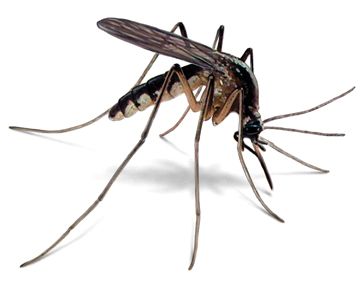
Mosquito traps and bug zappers are popular tools for reducing mosquito populations around homes, but how effective are they? Understanding how these devices work and what their limitations are can help you choose the right mosquito control strategy. Since only female mosquitoes bite and spread diseases like West Nile Virus and Zika, it’s especially important to focus on methods that effectively target them.
How Mosquito Traps Work
Mosquito traps use attractants like carbon dioxide, heat, or light to lure mosquitoes. Once drawn in, mosquitoes are either vacuumed into a container, stuck to an adhesive surface, or dehydrated.
Common Types of Mosquito Traps
- Carbon dioxide traps: Mimic human breath to attract mosquitoes
- UV light traps: Use ultraviolet light as a lure
- Propane traps: Generate heat and moisture to simulate human presence
Do bug zappers work on mosquitoes?
Electric bug zappers attract insects with light and kill them on contact with an electrified grid. While they can reduce some flying insects, they are not very effective for mosquitoes.
Drawbacks of Electric Bug Zappers
- Limited mosquito attraction: Most mosquitoes are not drawn to UV light.
- Harm to beneficial insects: Zappers often kill helpful insects like moths and beetles.
- No impact on breeding: Zappers do not reduce the number of mosquitoes hatching nearby.
Challenges of Mosquito Traps
Mosquito traps can be effective in killing mosquitoes, giving homeowners a sense of satisfaction. However, they often attract more mosquitoes into the area and ultimately do little to reduce the overall population. True mosquito population control is dependent upon breeding habitats and mosquito species, as well as many other factors.
Additionally, targeting only adult mosquitoes does little to affect the overall mosquito population. Adults will continue to emerge, many of which will not be killed by a few devices. DIY or homemade methods can often miss the mark.