Mosquitoes Guide
Male vs. Female Mosquitoes
Differences Between Male and Female Mosquitoes Mosquitoes are well-known for biting people and transmitting numerous diseases. Surprisingly, the sex of these pests actually plays an important role in that behavior.
At a glance
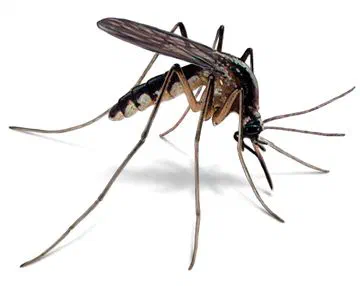
Differences Between Male and Female Mosquitoes
Mosquitoes are well-known for biting people and transmitting numerous diseases. Surprisingly, the sex of these pests actually plays an important role in that behavior.
In discussions concerning male vs. female mosquitoes , people can differentiate between the two based on diet, size , and appearance .
Male vs. Female Mosquito Appearance
- Size: Female mosquitoes are generally larger than males.
- Antennae: Males have bushier, feathery antennae, while females have thinner, less hairy ones.
- Mouthparts: Females possess sharp mouthparts designed for piercing skin and sucking blood. Males feed only on nectar and lack these biting parts.
Male vs. Female Mosquito Behavior
- Feeding Habits: Only female mosquitoes bite because they need blood to develop their eggs. Males feed solely on nectar from plants.
- Flight Patterns: Male mosquitoes tend to fly in swarms, especially during mating season, while females fly alone in search of hosts.
Why do female mosquitoes bite?
Female mosquitoes require the proteins and iron found in blood to produce eggs. This need drives their biting behavior, which unfortunately can also transmit diseases like West Nile Virus and Zika.
Can male mosquitoes transmit diseases?
Male mosquitoes do not bite and therefore do not transmit diseases . Since disease transmission occurs through blood feeding, and males feed only on nectar, they are not carriers of mosquito-borne illnesses.
Lifecycle and Reproductive Roles
Both male and female mosquitoes begin life as larvae in water. After maturing, males focus on mating, while females seek blood meals to nourish their developing eggs . Understanding these roles is key to controlling mosquito populations.
Pest Control for Male & Female Mosquitoes
Mating swarms of male and female mosquitoes are a common sight in warm, humid environments . These pests can reproduce in almost any source of stagnant water, from small containers to large ponds, so preventing water buildup and ensuring proper drainage are essential steps in control. Wearing light-colored clothing and covering exposed skin can also help reduce your chances of getting bitten.