Mammals Guide
Indian Hare
What Is a Indian Hare? The Indian hare (Lepus nigricollis), also known as the black-naped hare, is a medium-sized hare native to South Asia. It belongs to the family Leporidae and is one of the most widespread wild hares …
At a glance
What Is a Indian Hare?
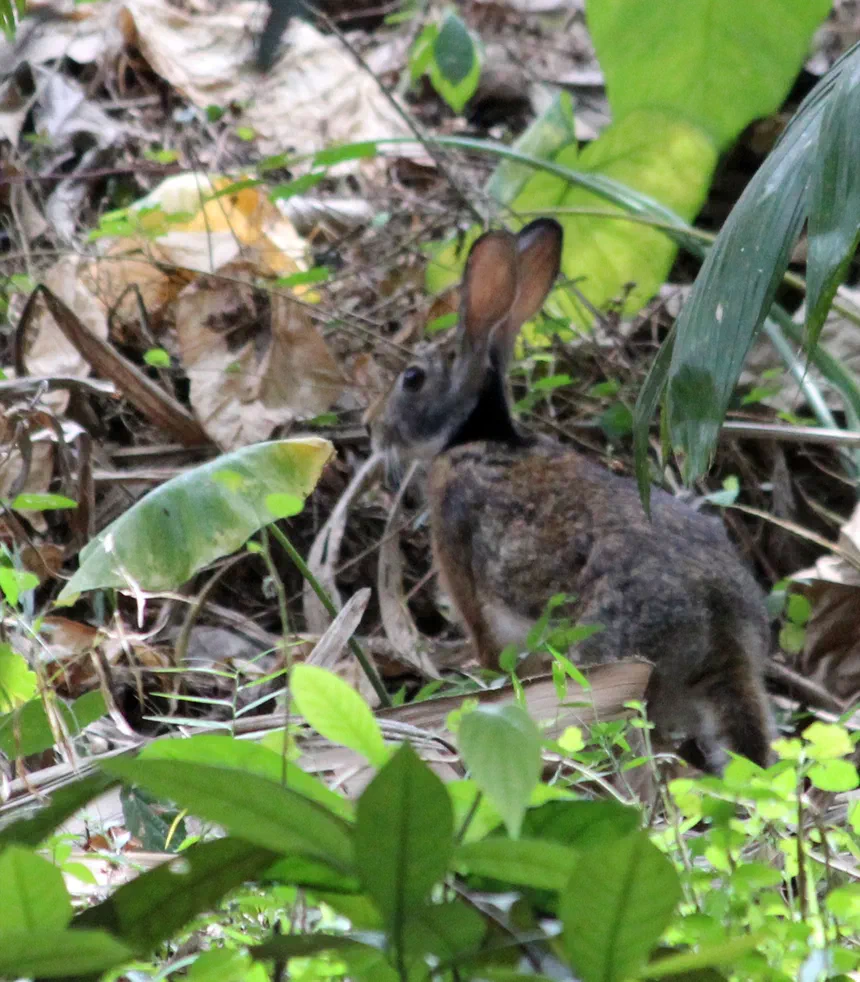
The Indian hare (Lepus nigricollis), also known as the black-naped hare, is a medium-sized hare native to South Asia. It belongs to the family Leporidae and is one of the most widespread wild hares across the Indian subcontinent. The species is easily recognized by the distinctive dark patch of fur on the back of its neck that gives it its alternate name.
Appearance and Identification
The Indian hare has soft, dense fur that ranges from sandy brown to grayish above and paler, often whitish, on the underside. Its most notable feature is the black or dark brown patch on the nape (back of the neck), which distinguishes it from many other hares. The tail is dark on the upper surface and white below, and the long ears are edged with darker fur at the tips. Adults typically measure around 40 to 70 centimeters in body length and weigh anywhere from about 1.5 to 7 kilograms, with size varying considerably across regions and subspecies. The hind legs are long and powerful, built for rapid running, while the large eyes set high on the head provide a wide field of vision to detect approaching predators.
Habitat and Range
The Indian hare occupies a broad range across the Indian subcontinent, including India, Sri Lanka, Nepal, Pakistan, and Bangladesh. It has also been introduced to some islands beyond its native range. This adaptable species favors open and semi-open landscapes such as grasslands, scrubland, dry deciduous forest, agricultural fields, and the margins of human settlements. It generally avoids dense forest and very arid deserts, preferring areas that offer a mix of low cover for hiding and open ground for feeding and fleeing. Its tolerance of disturbed and cultivated habitats has helped it persist in many landscapes altered by people.
Diet
As a strict herbivore, the Indian hare feeds mainly on grasses and herbaceous plants. Its diet also includes leaves, shoots, flowers, and the bark and twigs of shrubs, particularly during drier seasons when green forage is scarce. In agricultural areas it will graze on crops and garden plants, which can occasionally bring it into conflict with farmers. Like other members of its family, it practices coprophagy, re-ingesting soft fecal pellets to extract additional nutrients and fully digest tough plant material.
Behavior
The Indian hare is largely nocturnal and crepuscular, becoming most active from dusk through the night and into the early morning. During the heat of the day it typically rests in a shallow depression called a form, hidden among grass or beneath a bush. It is generally solitary, though several individuals may feed in the same area where food is plentiful. When threatened, the hare relies on stillness and camouflage until a predator draws near, then bursts into a rapid, zigzagging sprint that can reach high speeds over short distances. It does not dig burrows, instead depending on speed and cover for protection from predators such as jackals, foxes, birds of prey, and large snakes.
Life Cycle and Reproduction
Indian hares can breed throughout much of the year, with reproductive peaks often tied to seasonal rains and the availability of fresh vegetation. After a gestation period of roughly 40 days, the female gives birth to a small litter, usually one to a few young. Unlike rabbits, hare young are precocial, born fully furred with open eyes and able to move about soon after birth. The young grow quickly and become independent within several weeks. Females may produce multiple litters in a single year under favorable conditions, contributing to the species’ resilience.
Conservation Status
The Indian hare is classified as Least Concern by the IUCN, reflecting its wide distribution and generally stable, adaptable populations. It remains common across much of its range. Nevertheless, it faces localized pressures from habitat loss, hunting for meat, and predation by free-ranging dogs, and some island and subspecies populations may be more vulnerable. On the whole, its flexibility in habitat and diet has allowed it to thrive alongside expanding human activity.
Frequently Asked Questions
Why is it called the black-naped hare? It gets this name from the conspicuous patch of dark fur on the back of its neck, a feature that helps distinguish it from other hares in the region.
Does the Indian hare live in burrows? No. Unlike rabbits, it does not dig burrows. It rests in a shallow surface scrape called a form and relies on camouflage and speed to escape danger.
Is the Indian hare endangered? No. It is listed as Least Concern by the IUCN and remains widespread, though certain local populations face pressure from hunting and habitat change.