Insects Guide
Firefly
What Is a Firefly? Fireflies, also called lightning bugs, are soft-bodied beetles in the family Lampyridae, not true flies at all. They are best known for the cool, blinking light many species produce to attract mates on …
At a glance
What Is a Firefly?
Fireflies, also called lightning bugs, are soft-bodied beetles in the family Lampyridae, not true flies at all. They are best known for the cool, blinking light many species produce to attract mates on warm summer evenings. Roughly 2,000 species are recognized across temperate and tropical regions around the world.
Appearance and Identification
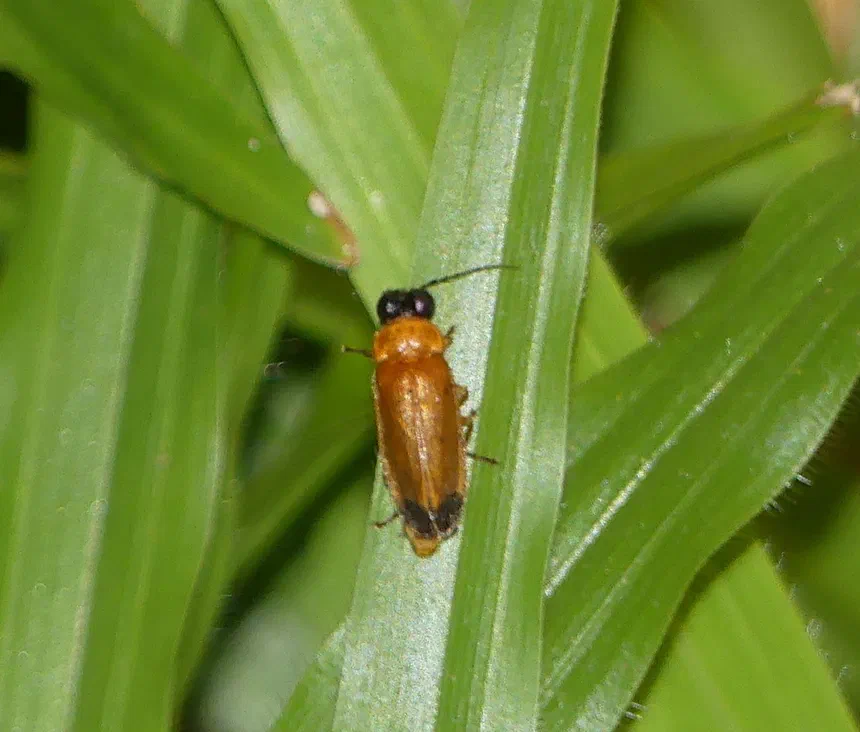
Despite their delicate look, fireflies are beetles, and adults share the group’s typical features: a hardened forewing pair called elytra covering membranous flight wings, and a distinct head partly hidden beneath a shield-like plate called the pronotum. Most species measure roughly 5 to 25 millimeters long. Coloring tends toward dark brown or black, often accented with yellow, orange, or reddish bands on the pronotum and wing covers. The light-producing organs sit on the underside of the last few abdominal segments and glow through pale, translucent cuticle. Males and females can look quite different: in some species the female is wingless and larva-like, a form often called a glowworm.
Habitat and Range
Fireflies favor humid, vegetated habitats where their larvae can find prey and moisture. Common settings include meadows, marsh margins, streamsides, forest edges, and damp woodlands. They occur on every continent except Antarctica, reaching their greatest diversity in warm, wet tropical and subtropical zones, though many familiar species live in temperate North America, Europe, and Asia. Because larvae and eggs need consistent moisture, fireflies are especially sensitive to drainage of wetlands and drying of soils.
Diet
Diet shifts dramatically across the life cycle. Larvae are voracious predators, hunting soft-bodied prey such as snails, slugs, earthworms, and other insects, which they subdue with digestive enzymes injected through their jaws. Adult feeding is far more variable. Depending on the species, adults may sip nectar or pollen, drink water or plant fluids, or eat nothing at all during their brief winged lives. In one notable group, predatory females of the genus Photuris mimic the flash signals of other firefly species to lure and eat their males.
Behavior
The firefly’s signature trait is bioluminescence, produced when the compound luciferin reacts with oxygen and the enzyme luciferase in specialized abdominal cells. The result is a highly efficient “cold light” that wastes little energy as heat. Most adults use timed flash patterns, distinctive in color, rhythm, and duration, as a species-specific code that lets males and females recognize and locate one another in the dark. Some tropical species famously synchronize their flashes across whole trees, producing shimmering displays. Many fireflies are active at dusk and after nightfall, though a number of daytime species rely on chemical scents rather than light to find mates.
Life Cycle and Reproduction
Fireflies undergo complete metamorphosis through egg, larva, pupa, and adult stages. After mating, females lay eggs in or on damp soil, moss, or leaf litter. The larvae, which are themselves often luminous, hatch within a few weeks and spend the bulk of the insect’s life feeding and growing, sometimes for one to two years depending on species and climate. When mature, the larva pupates in soil or under bark and later emerges as a winged adult. Adults typically live only a few weeks, during which their main task is reproduction.
Conservation Status
Because Lampyridae contains so many species, conservation status varies widely, and many species have never been formally assessed. Where scientists have evaluated them, some fireflies are considered secure while others are listed as vulnerable or threatened. Widely cited pressures include habitat loss, light pollution that disrupts the flash signals used for mating, pesticide use, and drought. Reducing artificial light, protecting wetlands, and limiting insecticides are commonly recommended steps for supporting local populations.
Frequently Asked Questions
Are fireflies actually flies? No. Despite the name, fireflies are beetles in the family Lampyridae, not members of the true fly order.
Why do fireflies glow? Their glow comes from a chemical reaction between luciferin, oxygen, and the enzyme luciferase. Adults mainly use flashing light to find and identify mates of their own species.
Are fireflies disappearing? Many populations appear to be declining locally, largely due to habitat loss, light pollution, and pesticides, though trends differ by species and region.