Flies Guide
Sphaerocerid Fly Facts & Information
What You Can Do Some prevention procedures that a homeowner may use include the following: Removing accumulations of wet organic matter (leaves, lawn clippings, manure, poorly maintained compost) that occurs on the …
At a glance
What You Can Do
Some prevention procedures that a homeowner may use include the following:
- Removing accumulations of wet organic matter (leaves, lawn clippings, manure, poorly maintained compost) that occurs on the property.
- Removing or maintaining outdoor standing water sources such as bird baths, old tires, flower pots, clogged rain gutters, tree stumps and water pools around air conditioning units.
- Thoroughly cleaning interior drain pipes, drain traps and plumbing pipes and removing food wastes under kitchen equipment and on floors in kitchens.
Appearance
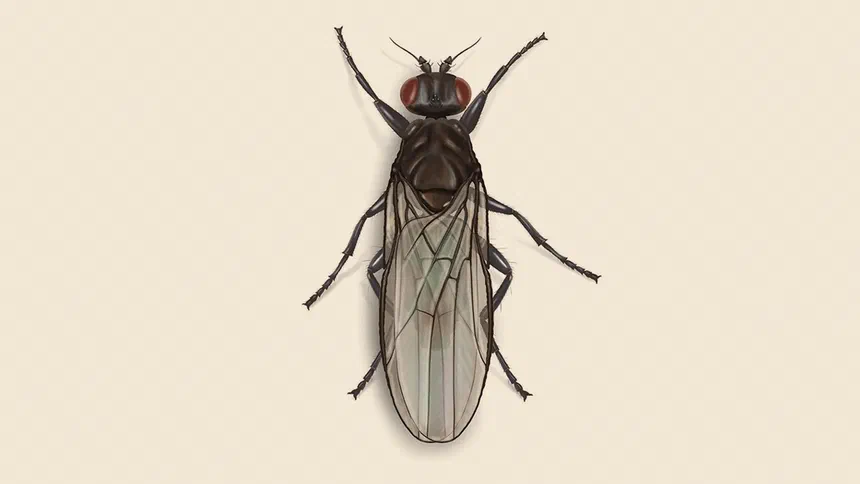
- Color: They are dark in color.
- Size: Adults are about 1/8 inch long.
Geographic Range
Sphaerocerid flies are commonly referred to as small dung flies. Different species of these flies are found around the world. North America contains more than 200 different species.
Within the United States, the most commonly encountered species are those that develop in commercial chicken houses. They occupy a habitat that is similar to phorid and fruit flies within commercial and residential kitchens.
Diet & Habitat
Sphaerocerid flies have a wide range of developmental sites and food preferences. Some species develop in areas such as:
- Animal droppings
- Commercial chicken houses
- Corpses
- Feed waste
- Horse and cattle manure
Other species will infest almost any location where there is moist organic matter that may accumulate in places such as:
- Clogged plumbing lines
- Cracks in homes
- Drains
- Gaps in kitchen floors
Reproduction
Sphaerocerid flies tend to reproduce in facilities indoors where it is warm. They are likely to reproduce year-round, but not overwinter when temperatures turn cold.