Flies Guide
Bottle Fly Fact & Information
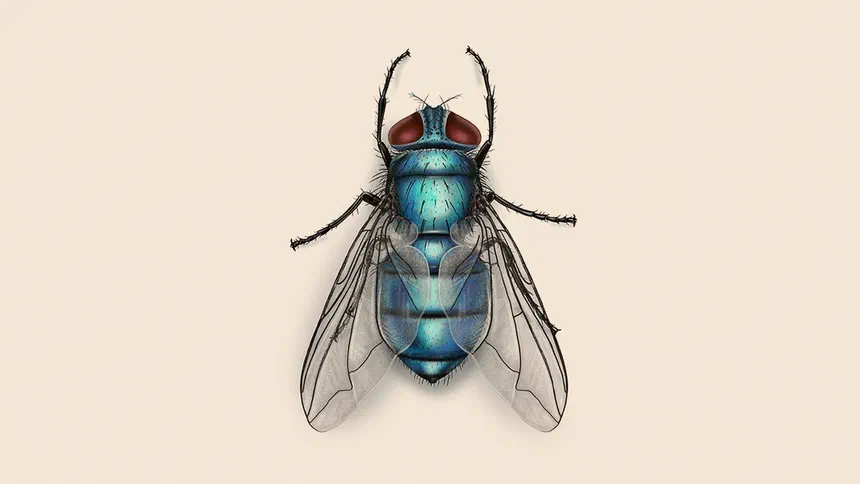
IDENTIFY Types of Bottle Flies What do bottle flies look like? Bottle flies, also called blow flies, are common, large flies known for their metallic blue or green color.
At a glance
IDENTIFY
Types of Bottle Flies
What do bottle flies look like?
Bottle flies, also called blow flies, are common, large flies known for their metallic blue or green color.
Green Bottle Fly
Lucilia sericata
Blue Bottle Fly
Calliphora vomitoria
Signs of Infestation
The most common signs of bottle flies are either the adults themselves or their larvae. The adults may be seen resting on surfaces or buzzing around potential food or odor sources. The larvae may be observed when they crawl out of the breeding material to pupate.
Habitat
Bottle flies are typically found outdoors. If large numbers of the pests are found inside, an indoor breeding site may have been established. To eliminate bottle flies, it is important to implement stringent sanitation measures, which include cleaning garbage containers and making sure that the lids are seated tightly.
Diet
Among many other kinds of decomposing organic matter, the following serve as the insects’ food source and breeding grounds:
- Decaying animal flesh
- Feces
- Garbage
- Rotting meat
Reproduction
A female bottle fly can lay in excess of 2,000 eggs in a lifetime. The eggs are pale yellow or gray in color. Resulting larvae measure 9 to 22 mm in length and may hatch within two to three days, depending on temperature. Within two to 10 days, larvae seek pupation sites, from which they eventually emerge as adult flies . Bottle flies breed in damp, organic matter such as dead animals.
Bottle flies are also good pollinators. They often pollinate flowers with strong odors, such as pawpaws and goldenrod. When food sources are diminished, they feed upon the nectar of these flowers in order to produce healthy eggs.