Flies Guide
Blow flies
Why do I have blow flies Blow flies, also known as bottle flies, like to live close to animal carcasses, which they use as breeding sites and for food. In fact, forensic scientists often use blow flies as indicators for …
At a glance
Why do I have blow flies
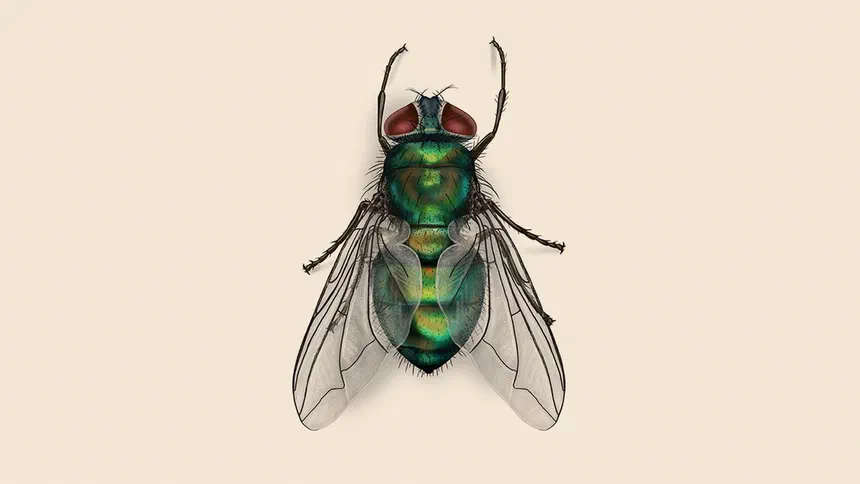
Blow flies, also known as bottle flies, like to live close to animal carcasses, which they use as breeding sites and for food. In fact, forensic scientists often use blow flies as indicators for how long a body has been deceased. These flies will also breed in fresh wounds or on exposed meat, and eat other decaying organic matter, such as plants or garbage. They usually live near livestock and other groups of animals, or around garbage and excrement. Houses or farms with a fly infestation likely have other wildlife that is dead or dying nearby. Any injured or dying wildlife that wanders onto the property can attract blow flies. Ultimately, blow fly infestations point to an unpleasant sanitation issue, problems with the sewers, the presence of a decaying dead animal, or excessive decaying garbage.
How worried should I be about blow flies
Blow flies are no danger to humans, but can be a problem for pets. Some species of blow flies lay eggs on dead animals and even in the wounds or sores of live animals. The larvae develop inside the tissue – a condition known as myiasis. Myiasis damages animal body tissues, can affect the health and well being of an animal and in extreme cases, it can lead to death. Pets that seem to be agitated, especially those that are older, ill, or injured, may be at risk. However, blow flies reproduce fairly quickly, with adult females laying up to 500 eggs, which develop into full-grown larvae within days, and then develop into adults within three weeks. To stop the infestation growing out of control, you’ll need a professional pest control service.
How can I prevent blow flies invading
Remove any dead or dying wildlife quickly, Follow proper guidelines when burying pets, Do not allow organic garbage to pile up