Library Section
Centipedes
How to identify Centipedes Centipedes are segmented arthropods and their leg count typically ranges anywhere from 30 to nearly 400 limbs. Each of their body segments has a pair of legs slightly longer than the pair …
At a glance
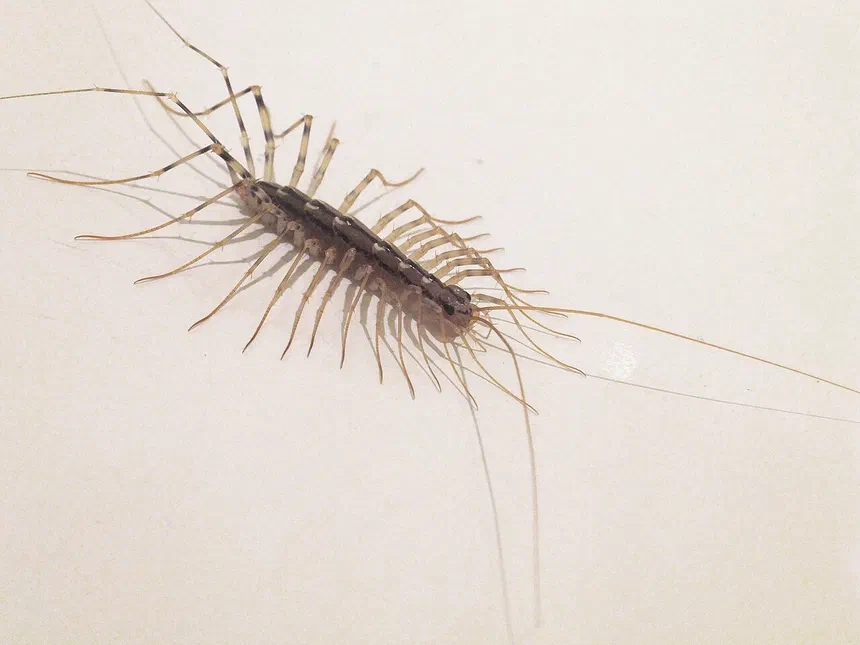
Image: Syrio — CC BY-SA 4.0 · source
How to identify Centipedes
Centipedes are segmented arthropods and their leg count typically ranges anywhere from 30 to nearly 400 limbs. Each of their body segments has a pair of legs slightly longer than the pair before it, which helps the pests move quickly.
Signs of an infestation
As they do not typically leave lasting signs of infestation, damage buildings, or contaminate food, centipede infestations may go unnoticed for some time. The best way to determine if centipedes are present is to look for them at night when they’re most active. Homeowners might also find molted exoskeletons given a present infestation. Dark, secluded areas in basements, under cabinets, and collections of firewood are common places for centipedes to congregate.
How to prevent Centipedes invading
- Look for molted exoskeletons
- Prevent other insects invading
- Keep your home clean and sanitary
- Cover exterior vents and holes
- Seal cracked pipes and loose/worn outdoor seals
- Seal crevices and cracks in walls
- Remove brush, firewood, and mulch
- Keep mulch and flower beds free of weeds, well aerated and do not overwater
Life Cycle
Females lay eggs in underground nests. When young centipedes hatch, they look like smaller versions of adults, though they have fewer legs. Immature centipedes grow additional body segments and legs as they age, going through several developmental molts before reaching adulthood.
Commonly Asked Questions
Why do I have centipedes?
There are more than 70 species of centipedes in Canada, and while most do not interact with humans, house centipedes commonly invade homes to escape dry conditions outdoors or cold weather. Centipedes congregate where there are large amounts of insects and seek out dark, damp places with plenty of small crevices and cracks, like basements, garages, and mulched gardens. They prey on other household pests, including spiders, beetles, moth larvae, ants, and worms, but will also prey on other centipedes. As predators, they ambush and then disable their prey by catching them in poisonous claws.
How worried should I be about centipedes?
Although they possess venom potent enough to paralyze and kill insects, centipedes do not bite humans unless grabbed or accidentally stepped on, and their venom is not toxic enough to be dangerous. However, their presence is unsightly and they are considered a nuisance. Due to the persistent nature of centipedes, their ability to navigate very small cracks, and the fact their presence may indicate an insect problem, it is essential to get the help of a professional pest control service to eradicate them and any other infestations. Centipede infestations in homes may indicate the presence of underlying insect problems.
What is the difference between centipedes and millipedes?
Though centipedes and millipedes seem the same, the pests share few common traits. A centipede has a flat body with a single pair of long legs per segment. Millipedes are longer and have rounded bodies with each body segment bearing two pairs of short legs. A millipede has a distinctly different appearance and far more legs than a centipede. Commonly found in garden soil, millipedes are dark coloured with rounded bodies. They have two pairs of legs on each body segment rather than the centipede’s single set. Depending on the species, a millipede can have up to 400 legs. In addition, millipedes vs. centipedes cause different problems for homeowners because their diets differ. Millipedes feed on decaying matter. These garden pests live in the soil, attacking roots and stripping stems on young plants causing plant damage. Some millipede species also secrete a fluid that irritates skin and leaves an odour. On the other hand, centipedes gather in dark, dank spaces like basements and bathrooms. They feed on insects, so their presence may indicate a more serious infestation is afoot. Also, their darting movements and disturbing appearance tend to cause panic. Since both pests prefer humidity, homeowners should reduce moisture levels to keep millipedes and centipedes away.
Browse This Section
Every guide in Centipedes
Use these links to move quickly between closely related pages in the same section.
Are House Centipedes Dangerous?
House Centipede Yes, certain centipedes are considered dangerous. How Dangerous are Centipedes? Centipedes enter homes …
Centipede Infestation
Centipedes have flattened, multisegmented bodies and a pair of legs on each body segment. The first pair of legs is …
Centipede Repellents
Dealing with House Centipedes Centipedes live outdoors in mulch, under rock piles, and among leaves or brush. They …
Centipede vs. Millipede Differences
Both centipedes and millipedes have segmented bodies and belong to the group Myriapoda. Both breathe through spiracles …
Centipedes' Reproductive Cycle
Centipedes do not undergo a process of metamorphosis, though their young may pass through several molts during growth. …
Giant Desert Centipede Facts & Information
Appearance Size: About 6.5 inches long on average and ranging up to 8 or 9 inches long. Color: The head and first two …
House Centipede Facts & Information
Appearance Size: House centipedes have long, flattened bodies, which can measure as long as 1-1/2 inches long Color: The …
How Do Centipedes Get in the House?
Centipedes, especially the house centipede, frequently enter homes and become a nuisance problem. Other species of …
How Many Legs do Centipedes Have?
While the word centipede literally means “100-footed,” most centipedes do not have 100 legs. The number of legs a …
How to Identify and Remove Clear-Colored Centipedes
Appearance Oftentimes known by the common name clear-colored or garden centipede, this insect is really a centipede, but …
How to Identify Centipede Bites
How To Identify The Bites Centipedes use a pair of hollow legs, adapted with claws, to bite into the skin. These …
How to Identify Centipede Eggs
Centipedes may be a occasional household sight, but their eggs can be difficult to find. Most centipede eggs are …
Most Common Species of Centipedes in North America
Types of Centipedes in North America Centipedes are found in a variety of North American environments, from harsh …
Texas Redheaded Centipede Facts & Information
What You Can Do Controlling the Texas redheaded centipede may require both chemical and non-chemical means. Some …
What Attracts Centipedes Indoors?
Centipede Environments Centipedes are located in numerous environments ranging from dry deserts to moist, forested …
What Do Centipedes Eat?
Centipedes are nocturnal predators of insects and other small animals. A short list of possible prey includes: Spiders …
What do Centipedes Look Like?
What do centipedes look like? Centipedes can be identified by their flattened, elongated bodies. Typically colored …
What Eats Centipedes and Millipedes?
Centipedes and millipedes that make their homes outdoors are prey to shrews, toads, badgers and birds, including …
Why are Centipedes Attracted to Bathrooms?
Why Do Centipedes Live in Bathrooms? Centipedes can’t survive in the cold, so they move inside homes to avoid harsh …