Birds Guide
Greylag Goose
What Is a Greylag Goose? The greylag goose (Anser anser) is a large, heavy-bodied wild goose native to Europe and Asia. It is the bulkiest and most robust of the grey geese in its genus, and it holds special importance …
At a glance
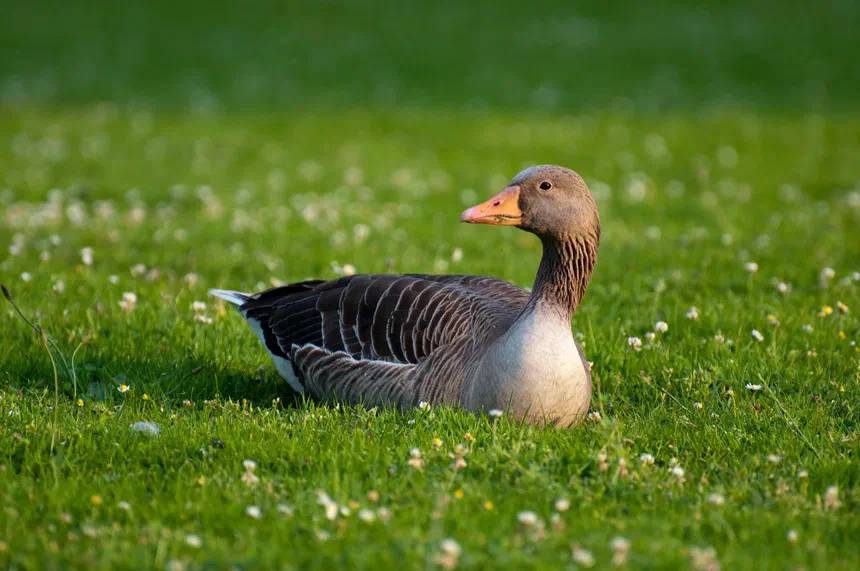
Image: H005, denoised by Pro2 — Public domain · source
What Is a Greylag Goose?
The greylag goose (Anser anser) is a large, heavy-bodied wild goose native to Europe and Asia. It is the bulkiest and most robust of the grey geese in its genus, and it holds special importance as the wild ancestor of most domestic goose breeds. Familiar across farmland and wetlands, it is often the “classic” goose people picture when they imagine a wild goose in flight.
Appearance and Identification
Greylag geese are predominantly grey-brown, with a paler, sometimes faintly barred underside and a whitish rear. In flight, the pale grey forewing is a useful field mark. Adults have a stout orange or orange-pink bill and pink legs and feet, features that help separate them from other grey geese such as the pink-footed or bean goose. The plumage of males and females is similar, though males (ganders) tend to be somewhat larger and heavier. Juveniles look much like adults but appear plainer and duller until their first full molt. Their loud, honking calls closely resemble those of familiar farmyard geese.
Habitat and Range
This species favors open wetland environments: lakes, reservoirs, marshes, slow rivers, estuaries, and nearby grassland or agricultural fields where it grazes. Greylag geese breed across a broad swath of temperate and northern Eurasia, from Iceland and the British Isles eastward through Scandinavia, central Europe, and into Russia and Central Asia. Northern breeding populations are migratory, moving south in autumn to milder wintering grounds around the Mediterranean, North Africa, the Middle East, and southern Asia. In parts of western Europe, many populations have become resident year-round, and introduced or feral flocks occur in several regions.
Diet
Greylag geese are almost entirely herbivorous. They graze on grasses, clover, and other low vegetation, and they also feed on roots, tubers, stems, leaves, and seeds. In agricultural landscapes they readily eat spilled grain, sprouting cereals, and root crops, which occasionally brings them into conflict with farmers. During the breeding season and in wetland settings they also consume aquatic plants. Like other geese, they process large volumes of plant material and feed for much of the day, often in flocks.
Behavior
Highly social outside the breeding season, greylag geese gather in flocks that can number from a handful to many hundreds of birds, roosting on water or open ground for safety. They are strong fliers, typically traveling in V-formations or long lines that reduce the effort of sustained flight. On the ground they walk and graze steadily, and they are wary, taking noisily to the air when disturbed. Greylags were central to early studies of animal behavior; their tendency to imprint on the first moving object they see after hatching was famously documented in classic research on instinct and bonding.
Life Cycle and Reproduction
Greylag geese form strong, often long-lasting pair bonds, with pairs frequently remaining together across multiple breeding seasons. Nesting usually begins in spring. The female builds a nest on the ground, typically among vegetation near water, and lays a clutch of around four to six eggs. She incubates them for roughly 27 to 28 days while the gander stands guard nearby. The goslings are precocial, able to walk, swim, and feed themselves soon after hatching, though both parents escort and protect them. Young geese fledge at about eight to ten weeks and commonly stay with their family group through their first migration and winter.
Conservation Status
The greylag goose is listed as Least Concern by the IUCN, reflecting a large and generally stable or increasing global population. Legal protection, reduced hunting pressure in some areas, and adaptation to agricultural landscapes have helped numbers grow, and resident populations have expanded across parts of western Europe. In some regions their abundance and appetite for crops have made them a locally managed species. Wetland loss and disturbance remain concerns in certain areas, but overall the species is not considered threatened.
Frequently Asked Questions
Are greylag geese the ancestors of domestic geese? Yes. Most domestic goose breeds descend from the greylag goose, which is why farmyard geese share its size, coloration, and honking calls.
Do greylag geese migrate? Northern populations migrate south for the winter, but many populations in milder parts of western Europe have become year-round residents.
What do greylag geese eat? They are herbivores, grazing on grasses and feeding on roots, leaves, seeds, grain, and aquatic plants.