Bed Bugs Guide
How Long Can Bed Bugs Stay Dormant?
Bed bugs , like most other insects, possess a behavioral characteristic that allows them to enter into a hibernation-like condition called diapause that enables the insects to go dormant.
At a glance
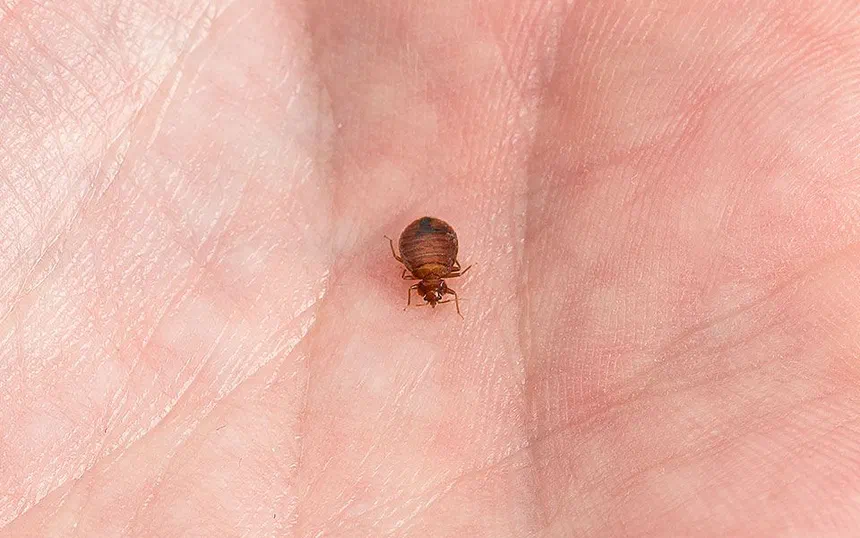
Bed bugs , like most other insects, possess a behavioral characteristic that allows them to enter into a hibernation-like condition called diapause that enables the insects to go dormant.
The Purpose of Diapause:
- Slow down the bed bug’s metabolism.
- Conserve energy and enable them to resume their normal behavior when environmental conditions are again conducive.
Bed Bugs Generally Do Not Go Dormant Because:
- Homes and businesses are environmental conditions both bed bugs and people find conducive.
- Environment has warm temperatures without extreme variations.
- Controlled humidity.
- Favorable place to take meals and a place that provides shelter and protection.
- Where bed bugs have available hosts and a source of blood, they may rarely, if ever, go into diapause.
A laboratory study that is decades old showed bed bugs being dormant for about 500 days; however, that is not typical since bed bugs in a natural setting will attempt to consume a blood meal rather than remain dormant for such a long period.
More recent studies related to bed bugs and dormancy showed cooler temperatures inhibit bed bug activity when the temperature in their habitat is below approximately 60° Fahrenheit.
Cold Temperatures & Bed Bugs:
- Bed bugs are resilient to cold temperatures and adults may survive for up to a year without feeding and nymphs up to three months without taking a blood meal.
- Even when dormant, cold temperatures reach a point where bed bugs do not survive.
- Studies have generally shown that bed bugs do not survive temperatures of 0° Fahrenheit for more than four days.