Bed Bugs Guide
Do Ants Eat Bed Bugs? Understanding Bed Bug Predators
Two Bed Bugs Bed bugs might be a common household nuisance, but they aren’t entirely safe from natural predators. Certain ant species, like pharaoh ants and red imported fire ants, have been known to prey on bed bugs and …
At a glance
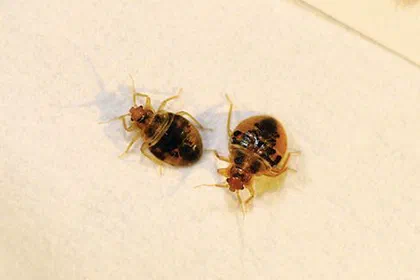
Two Bed Bugs
Bed bugs might be a common household nuisance, but they aren’t entirely safe from natural predators. Certain ant species, like pharaoh ants and red imported fire ants, have been known to prey on bed bugs and their eggs . However, relying on these ants for control isn’t ideal—they come with their own problems, such as aggressive behavior and potential health risks. Other creatures, like cockroaches and specialized insects such as masked hunter bugs, also eat bed bugs, but they, too, can create more problems than they solve. Understanding these predators highlights why professional pest control is often the best solution for bed bug infestations.
Bed Bug Predators
Some of the insects that eat bed bugs include:
- Argentine Ants
- Red Imported Fire Ants
- Pharaoh Ants
- American Cockroaches
- Thanatus Flavidus Spiders
- House Centipedes
- The Masked Hunter also known as the Masked Bed Bug Hunter
Of the ants listed above, many ant experts conclude that pharaoh ants are one of the most likely ants to target and feed upon bed bugs.
One possible, minor benefit provided by these predators is their presence, which could serve to draw attention to places where bed bugs are hiding .
Note: It is important to know that generally insects feed on bed bugs when the bed bug population is very large and do not assist to any large degree with the management of bed bug populations.
Masked Bed Bug Hunter:
Let’s look into the masked bed bug hunter a bit more since it seems its common name might create some interest.
Reduvius personatus is a non-native insect that was accidentally brought into the United States and since its introduction has dispersed to many states within the country. Inside homes, they are nocturnal feeders and the masked hunter nymphs cover themselves with house dust, lint and bits of insect parts, which they glue to their bodies.
Thus, homeowners rarely, if ever will see a masked hunter – a good thing since they will bite if mishandled or they sense the need to defend themselves.