Ants Guide
Can ants fly?
What are alates? The majority of ants are wingless. However, at certain times of the year, swarms of flying ants become a common sight. Ants with wings often are called alates, swarmers or reproductives. Winged ants have …
At a glance
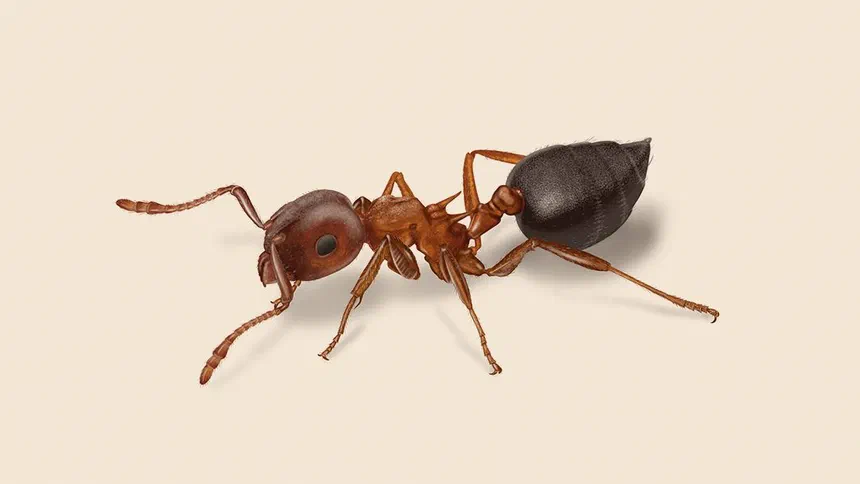
What are alates?
The majority of ants are wingless. However, at certain times of the year, swarms of flying ants become a common sight. Ants with wings often are called alates, swarmers or reproductives. Winged ants have elbowed antennae, thin waists constricted at the thorax and hind wings smaller than their front wings. This helps distinguish them from another insect that produces winged individuals, termites . Winged termites have straight antennae, broad waists and wings that are equal in length.
Female vs. Male Flying Ants
All ant species include three castes — queens , males and workers. Female-winged ants are larger than male-winged ants. Worker ants, or infertile female ants, are commonly seen crawling and foraging for food. Some species of ants have winged worker ants, while other species do not. There can be thousands of winged ants in one established colony .
All ant species live in colonies established by fertile females, or queens. Winged female ants and males typically swarm after a day of heavy rain in a particular season. Queens begin as winged ants and usually shed their wings after mating. Reproductive males die soon afterward.
What are flying ants attracted to?
Flying ants are most commonly seen during their mating season. While their appearance may seem alarming, flying ants are simply on the lookout for suitable places to establish new colonies. Understanding what attracts flying ants can help prevent an infestation in your home and yard. Here’s a closer look at what draws them both indoors and outdoors.
Flying Ants in the Home
In homes, flying ants are primarily drawn to food and moisture sources. Areas with crumbs, spilled sugary liquids, or food left out on countertops can easily attract these pests. Bathrooms and kitchens are especially appealing due to the moisture found in sinks , showers, and leaks. Flying ants may also be attracted to wood , as some species, like carpenter ants , use it for nesting. If your home has damp or rotting wood, it can be an ideal spot for these ants to establish a colony.
Flying Ants Outdoors
Outdoors, flying ants are typically attracted to areas with plenty of sunlight and open spaces for mating flights. Wooded areas, gardens, or any space with decaying wood can draw carpenter ants, who prefer to nest in rotting or hollowed-out wood. Additionally, flying ants are attracted to sugary substances like tree sap. Like indoors, moisture is a key factor. Damp soil or areas near water sources are ideal spots for these ants to gather. If your yard has an abundance of these attractants, an infestation is more likely to happen.
How to Get Rid of Flying Ants
Getting rid of flying ants requires addressing both the immediate presence of the ants and the factors that attract them. Start by sealing entry points around windows, doors, and cracks in walls to prevent ants from entering. Clean up food sources, especially sugary spills, and make sure to keep surfaces dry to eliminate moisture. If you have damp or rotting wood inside or outside your home, repair or replace it to discourage nesting. Using insect baits or traps can help reduce ant populations by targeting the colony.