Ants Guide
Tawny Crazy Ant Facts & Information
Appearance The tawny crazy ant, also known as the rasberry crazy ant, is an invasive species that was brought to the U.S. from South America. Length : They are about 1/8 of an inch long. Appendages : They have long …
At a glance
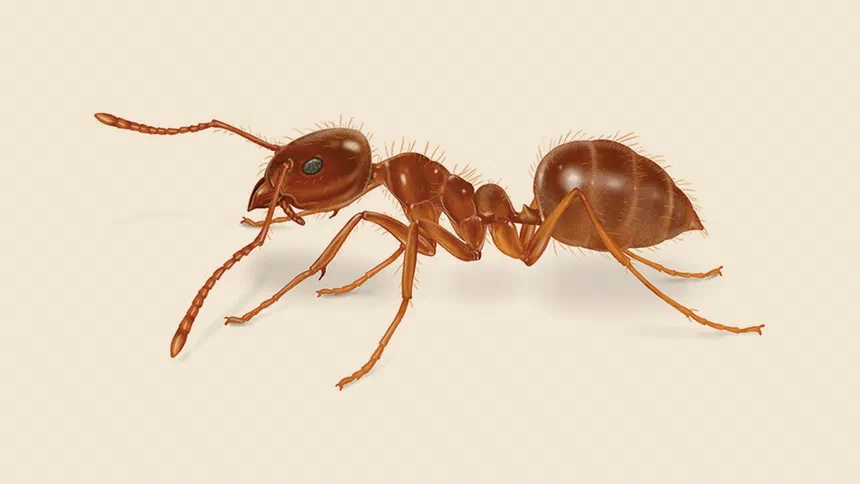
Appearance
The tawny crazy ant, also known as the rasberry crazy ant, is an invasive species that was brought to the U.S. from South America.
- Length : They are about 1/8 of an inch long.
- Appendages : They have long antennae; and legs that are reddish-brown in color.
Behavior
The simplest way to describe tawny crazy ant behavior is disorganized, chaotic foraging by worker ants, and colonies with queens who possess enormously abundant reproductive potential.
Another behavioral phenomenon is the tendency for tawny crazy ant populations to replace other ant populations. Field observations show that crazy ants can out-compete and replace fire ant populations when both species occupy the same territory.
Diet
Tawny crazy ants are omnivores – meaning they will consume just about any sweet or protein substances. Their diet includes:
- Honeydew (excretions produced by aphids and other insects)
- Sweet portions of plants
- Over-ripe fruits
- Honey from beehives
- Small insects
- Small mammals
Habitat
Crazy ants build nests under almost any object or inside any void that remains moist. Favored locations may be stumps, damp soil, rocks, landscape timbers, potted plants and piles of debris, compost, and garbage.
Life Cycle
Like with other ant species, they have complete metamorphosis (four life stages: egg, larvae (grub), pupae, and adult). A typical colony will consist of multiple egg-laying queens .
The workers are most active and plentiful in the early spring, while foraging is limited in the winter months. Colonies will produce millions of workers by mid-summer and continue to thrive throughout the fall.
More Information
While the ant’s official name is tawny crazy ant, it is also known as a Rasberry crazy ant after Tom Rasberry who identified the ant in 2002 in Texas.