Odorous House Ants
Identification
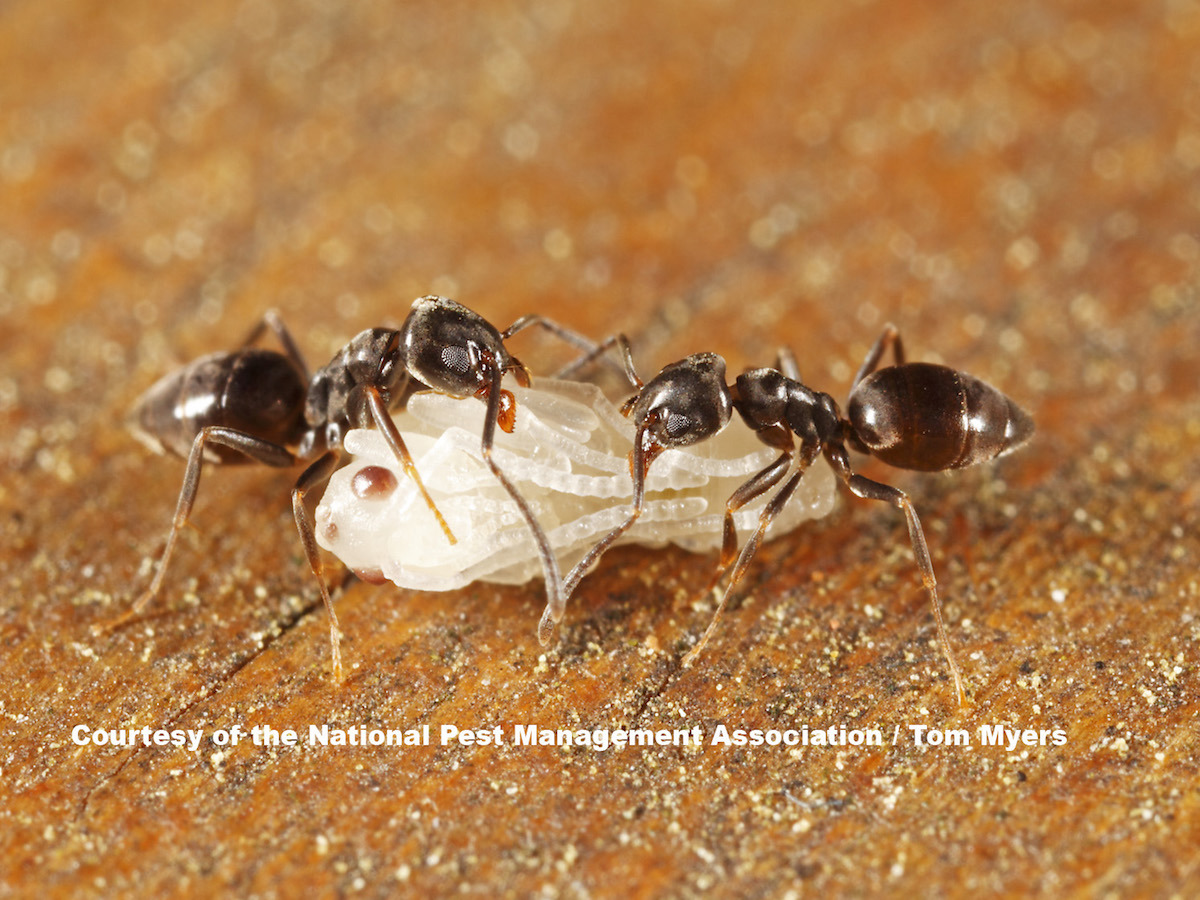
What is a odorous house ant?
The odorous house ant gets its name from the strong, rotten coconut-like smell it gives off when crushed. These tiny brown ants range in size from one-sixteenth of an inch to one-eighth of an inch long.
Odorous House Ants Tapinoma sessile
Ways to Prevent Odorous House Ants
Pests such as odorous ants are attracted to moisture. To prevent odorous house ants, eliminate standing water. Keep tree branches and other plants cut back from the house. Sometimes odorous ants use these branches to get into the home. Make sure that there are no cracks or little openings around the bottom of the foundation. Ensure firewood and building materials are not stored next to the home because odorous house ants like to build nests in stacks of wood.
Habits of Odorous House Ants
Odorous house ants like to eat sweets and are especially fond of honeydew. They are known to move their nests every three months or so in response to rain.
Habitats of Odorous House Ants
Indoors, odorous house ants nest near moisture sources, such as in wall voids near hot water pipers, in heaters, beneath leaky fixtures and inside wood damaged by termites. Outside, odorous ants are often found in exposed soil or under stacks of firewood.
Threats from Odorous House Ants
Odorous house ants do not pose a public health risk, but they can contaminate food and should be avoided. If you notice odorous ants in your property, contact an ant pest control specialist.
If you notice signs of odorous house ants, contact a professional immediately to discuss a proper course of odorous ant removal.
How to Get Rid of Odorous House Ants
If you suspect an odorous house ant infestation in your home, the best course of action is to contact a licensed pest control professional . They will conduct a thorough inspection to identify the full extent of the problem. Once the situation is properly identified, the appropriate control measures can be taken.