Longhorn Crazy Ants Paratrechina longicornis (Latreille)
Identification
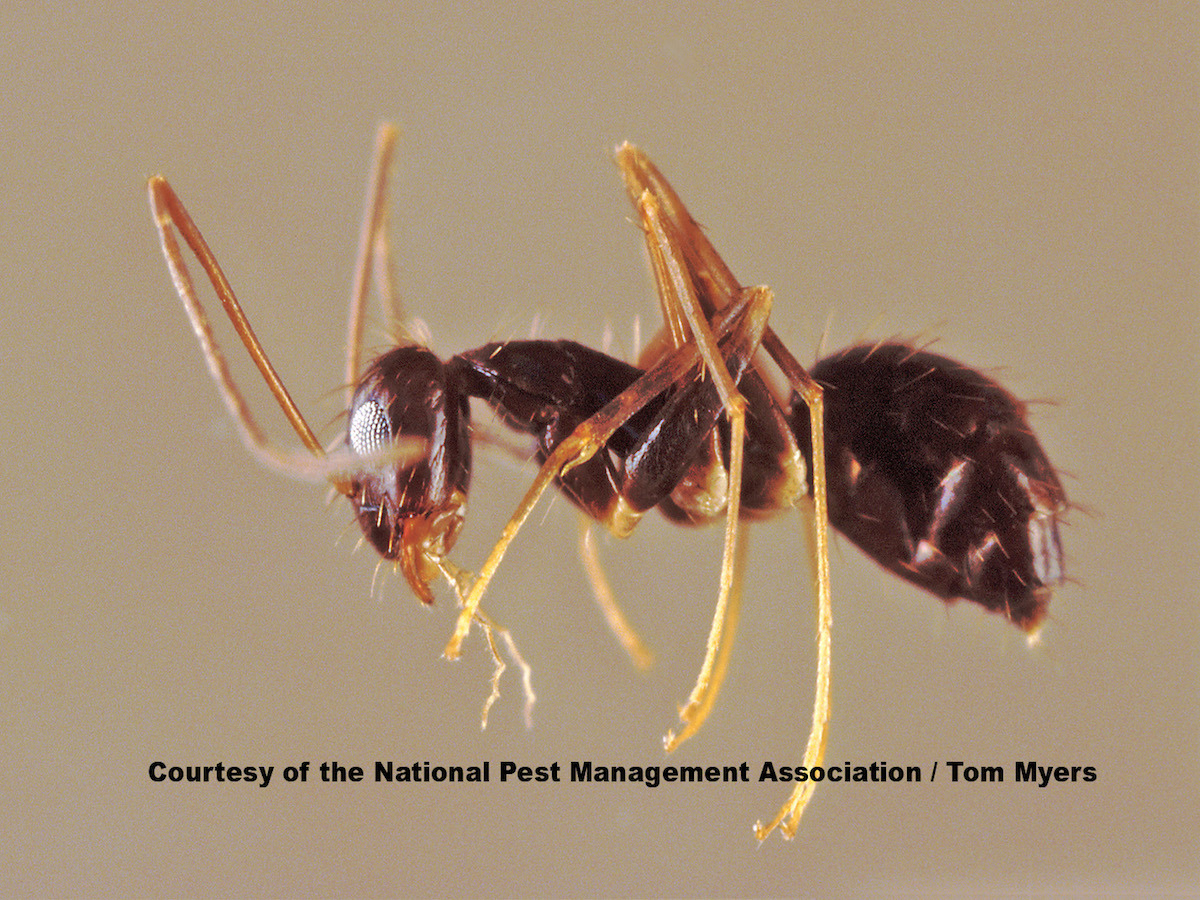
What is a longhorn crazy ant?
Longhorn crazy ants get their common name from the workers’ habit of running in an erratic, jerky manner when searching for food.
Longhorn Crazy Ants Paratrechina longicornis (Latreille)
How to Prevent Longhorn Crazy Ants
To prevent Longhorn crazy ants, it is important to seal all possible points of entry around the house including small openings and cracks around doors and windows. Trim vegetation away from the home to prevent pathways inside. Food spills and other potential attractants should be cleaned up as soon as possible to avoid attracting crazy ants.
Habits
Longhorn crazy ants are opportunistic scavengers that will feed on a range of items including live and dead insects, seeds, fruits and honeydew. Foragers may enter homes in search of food and moisture, particularly during the cooler fall and winter months when natural food sources are scarce.
Habitats
The longhorn crazy ant is not native to the United States. It is a tropical species with widespread populations found throughout most of the US. In southern states with tropical or subtropical climates, infestations can occur both indoors and out. In northern states that have a more temperate climate, longhorn crazy ants are more commonly encountered indoors.
Threats
Longhorn crazy ants do not pose a health threat, but if they gain entry to a structure, they can become a nuisance. If you notice Longhorn crazy ants, contact a pest control professional immediately to discuss a proper course of ant control.
How Do You Get Rid of Longhorn Crazy Ants?
If you suspect a longhorn crazy ant infestation in your home, the best course of action is to contact a licensed pest control professional . They will conduct a thorough inspection to identify the full extent of the problem. Once the situation is properly identified, the appropriate control measures can be taken.