Leafcutter Ant Facts & Information
Identification
What You Can Do
One proactive technique that can be helpful to prevent leafcutter ant damage to specific landscaping plants is to put a piece of smooth plastic, coated with an adhesive compound, around the base of the plant. This should trap the ants before they cut and remove the leaves.
Appearance
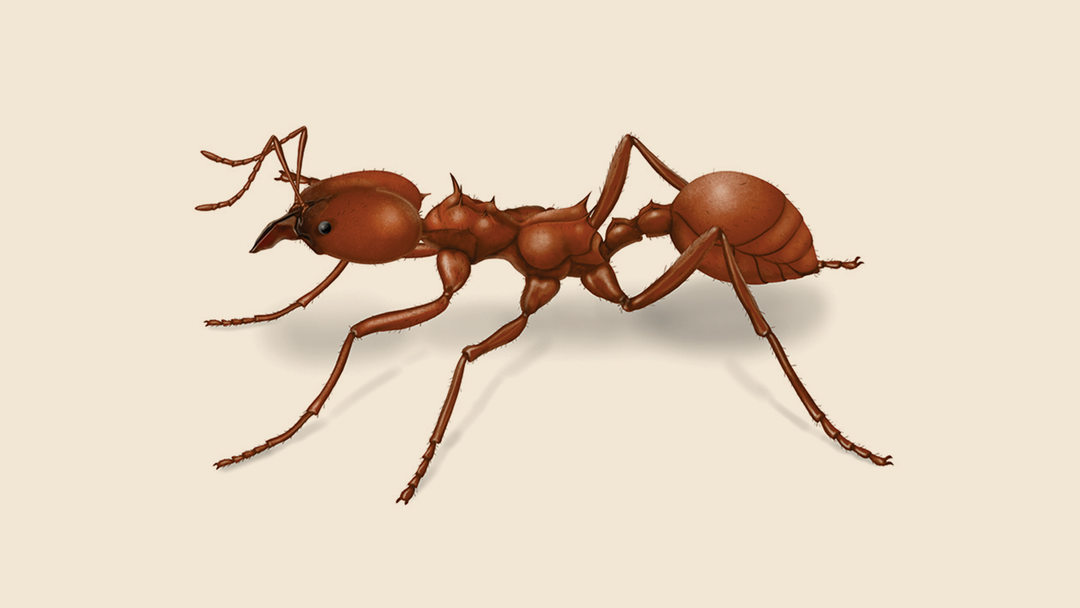
- Color: They are brown, black, or reddish in color.
- Legs: Both genera have long legs.
- Size: Workers measure 1.5 to 12 mm, queens can grow larger than 24 mm in length, and males are approximately 13 to 18 mm long.
Diet
Leafcutter ants feed on fungus within their nests. Each species consume a different species of fungus, tending the fungi with grass, and leaf clippings. These fungi secrete warning chemicals when an ant introduces a leaf to the nest that is toxic.
Habitat
A leafcutter ant nest may descend as deep as six meters. Within the large nests of Atta leafcutter ants, air circulation is controlled by natural movements of warm air from their nests perimeter to its center.
Castes
A mature colony of Texas leafcutter ants can contain 100,000 insects, mostly made up of sterile female workers. Depending on their size, female workers are divided into four castes that dictate the functions they perform such as:
- Majors - Soldiers
- Media - Foragers
- Minors - Guard nests
- Minims - Tend fungus gardens
Reproduction
Similar to other ants , the role of reproduction is the queens . While the queen lays eggs, the workers care for the larvae. Four to five queens may inhabit one colony and can survive for many years.