Amphibians Guide
Japanese Tree Frog
What Is a Japanese Tree Frog? The Japanese tree frog (Dryophytes japonicus) is a small, agile amphibian native to East Asia and one of the most familiar frogs across the rice-farming landscapes of Japan and Korea. …
At a glance
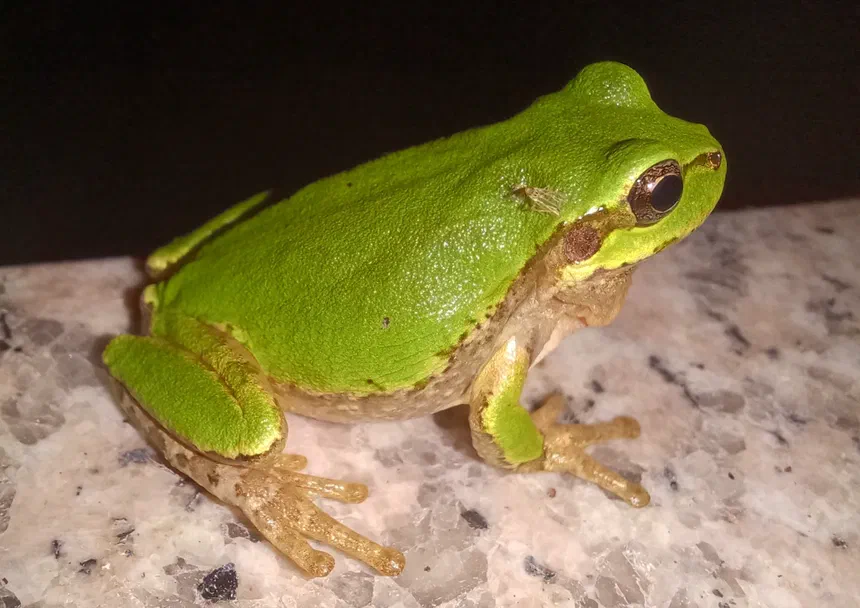
Image: Warehadokuro — CC BY-SA 4.0 · source
What Is a Japanese Tree Frog?
The Japanese tree frog (Dryophytes japonicus) is a small, agile amphibian native to East Asia and one of the most familiar frogs across the rice-farming landscapes of Japan and Korea. Formerly placed in the genus Hyla, it belongs to the tree frog family (Hylidae) and is best known for the loud, rasping choruses that males produce during the warm breeding months.
Appearance and Identification
This is a compact frog, typically measuring only about 2 to 4 centimeters (0.8 to 1.6 inches) from snout to vent, with females generally larger than males. Its skin is usually a bright leaf-green, but the frog can shift its coloration toward gray, brown, or olive to match its surroundings and the temperature. A dark stripe often runs from the nostril through the eye and along the flank, helping to distinguish it from similar species. Like other tree frogs, it has rounded, adhesive toe pads that give it a strong grip on leaves, stems, and smooth surfaces. Males possess a single expandable vocal sac beneath the chin, which appears dark and wrinkled when deflated.
Habitat and Range
The Japanese tree frog is widespread and adaptable, ranging across most of Japan, the Korean Peninsula, and into parts of northeastern China and the far east of Russia. It is strongly associated with agricultural wetlands, especially flooded rice paddies, but also occupies marshes, ponds, ditches, wet grasslands, and low shrubby vegetation near standing water. Outside the breeding season it often climbs into bushes and tall grasses, and it is comfortable in areas modified by people, which helps explain its abundance.
Diet
Adults are insectivorous carnivores that hunt a variety of small invertebrates, including flies, beetles, moths, ants, spiders, and other arthropods. They are mainly active at night and ambush or snap up prey that comes within reach, using a quick flick of the tongue. Tadpoles, by contrast, are largely herbivorous and grazers, feeding on algae, decaying plant material, and organic detritus suspended in the water.
Behavior
The Japanese tree frog is chiefly nocturnal and spends much of the day resting quietly among leaves or in sheltered, humid spots. Its ability to change color provides both camouflage and a degree of temperature regulation. Males are highly vocal during the breeding season, gathering at water margins and calling in loud, overlapping choruses to attract females and space themselves from rival males. In colder parts of the range, the frogs enter a period of winter dormancy, sheltering in soil, leaf litter, or other protected refuges until spring.
Life Cycle and Reproduction
Breeding takes place mainly in spring and early summer, timed with warm weather and the flooding of paddies and wetlands. After a female selects a mate, the pair engages in amplexus, and she deposits clusters of eggs in shallow, still water. The eggs hatch into aquatic tadpoles within days, and these larvae feed and grow over several weeks before undergoing metamorphosis into small froglets that leave the water for vegetation. Sexual maturity is generally reached within a year or two, and individuals may live several years in the wild.
Conservation Status
The Japanese tree frog is listed as Least Concern by the IUCN, reflecting its broad distribution, large population, and tolerance of human-altered habitats. It remains common throughout much of its range. Even so, local populations can be affected by wetland drainage, agricultural pesticides, water pollution, and the broader threats that face amphibians worldwide, so continued healthy rice-paddy and wetland habitat is important to its long-term abundance.
Frequently Asked Questions
Is the Japanese tree frog poisonous? It is not dangerously toxic to humans, but like many amphibians its skin secretes mild irritating substances, so it is best not to touch your eyes or mouth after handling one and to wash your hands afterward.
Why do Japanese tree frogs change color? They can shift between green and grayish-brown tones to blend with their background and to help regulate body temperature, with factors such as light, humidity, and stress influencing the change.
Where are you most likely to see one? Flooded rice paddies and their grassy or shrubby edges are classic spots, especially on warm, humid evenings when males are calling in chorus.